

November 25
The sunflowers, which were part of our SFI winter bird food mix, brought glamour to a flinty arable field. Many people commented on how good it made them feel to see this splash of colour. To stand amidst them, eyes closed, listening to the hum of insects was a step back in time.
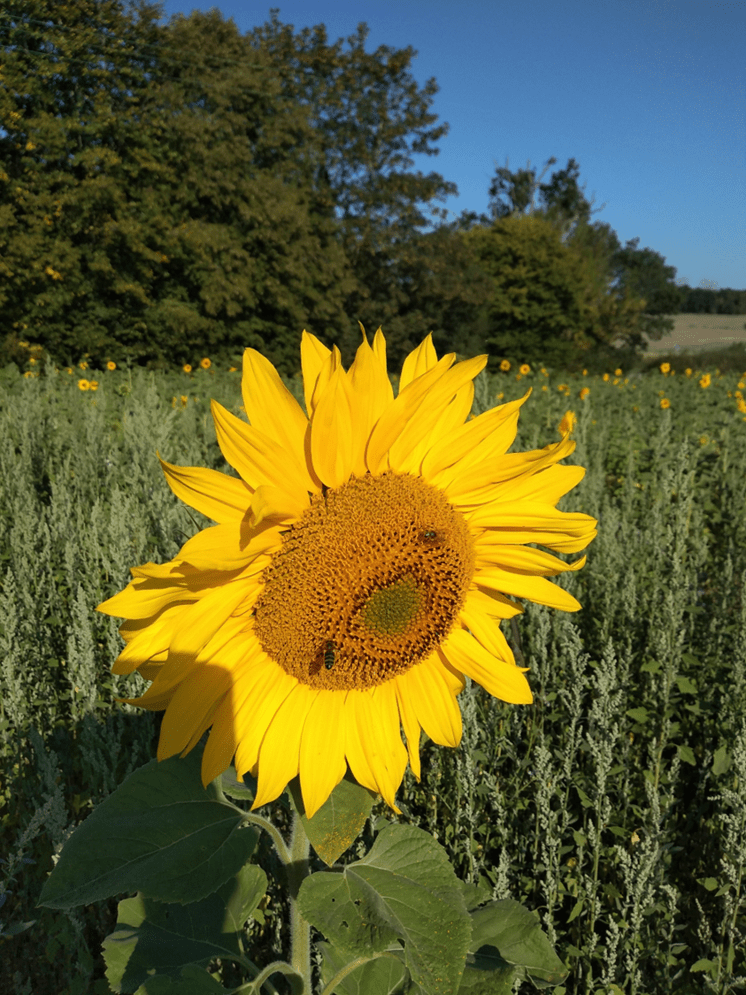
Now in late autumn, early winter the field is a dull brown with heads low. Flocks of Brambling have arrived to rest in the neighbouring trees and feed in that field. It’s good to feel triumphant. The bird food plots will be topped in spring time and re-drilled ready for summer.


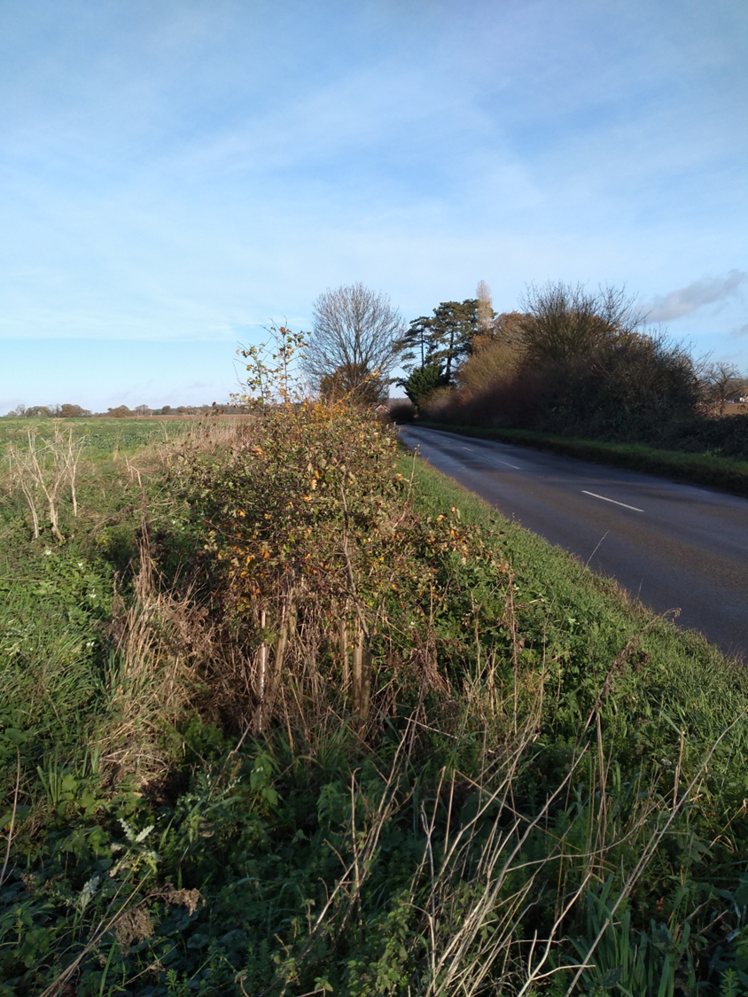
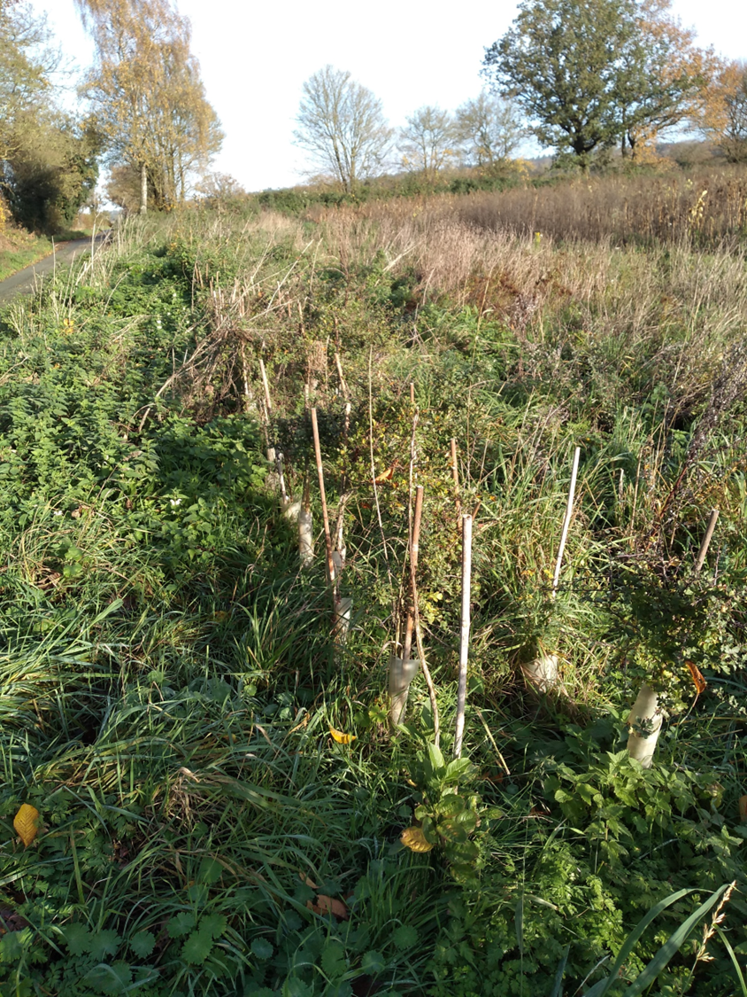
A recently planted hedge has been surveyed to plan for management in the spring. The difference in hedge height along the main road compared to quieter margins is striking and bears witness to the damage done by browsing deer where there is no traffic.
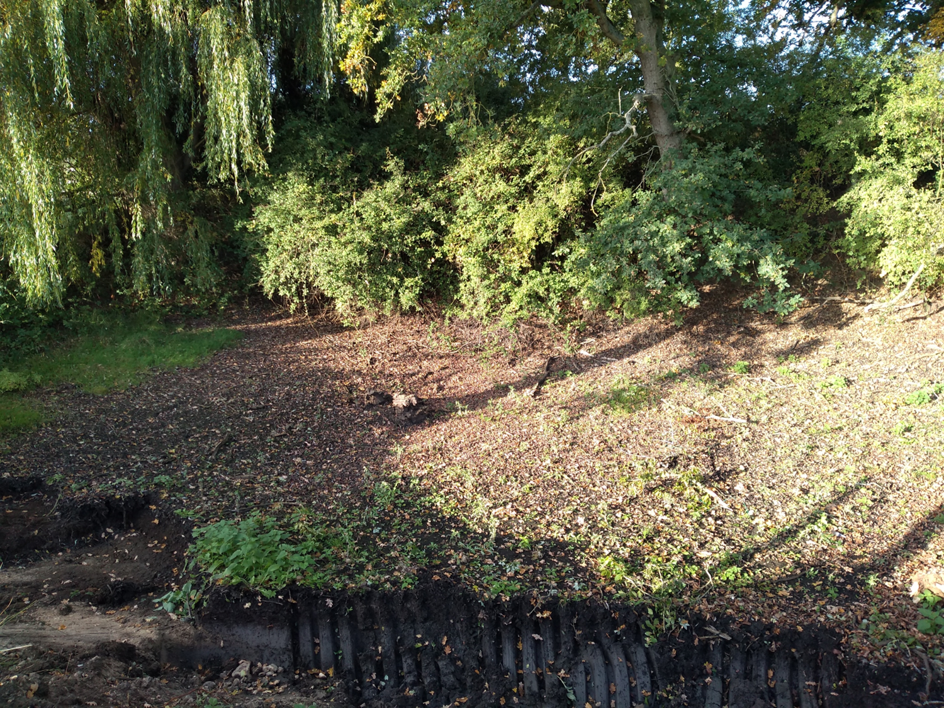
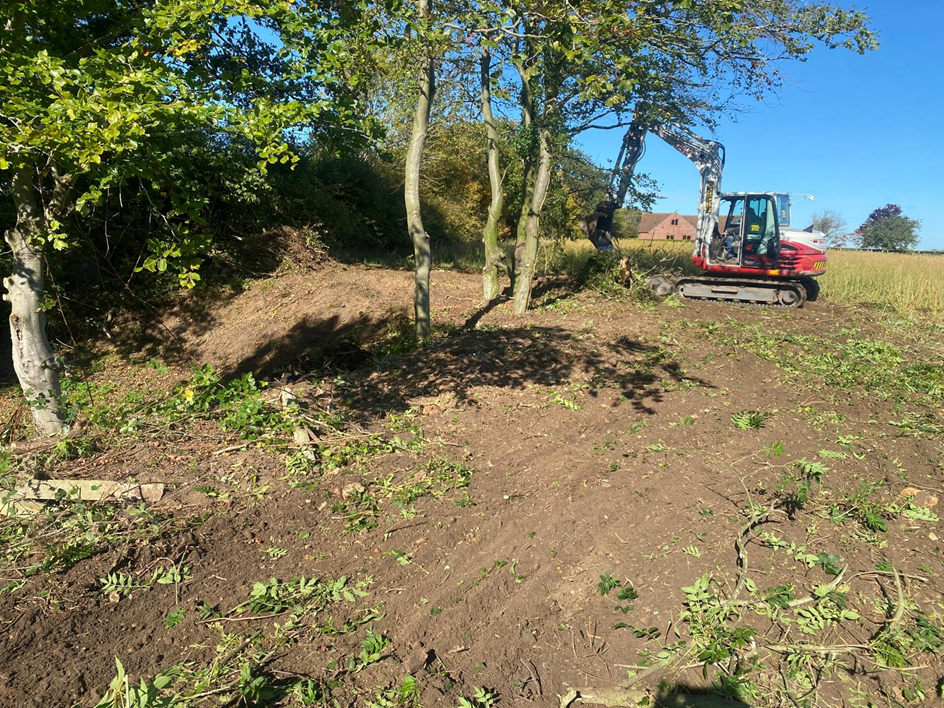
We took advantage of the mild autumn to self-fund a pond clearance. This pond was heavily silted and shaded. As a receiver of water from land drains and stormwater runoff, the pond serves to prevent flooding and erosion and to improve the quality of water as it makes its way towards the River Wensum.
Winter cover crops of oats, clover and phacelia have been drilled and will probably be grazed by sheep and cultivated before being drilled with spring barley. Some wet patches on arable fields have benefited from the use of cover crops and the hares seem to like the protection provided over winter.
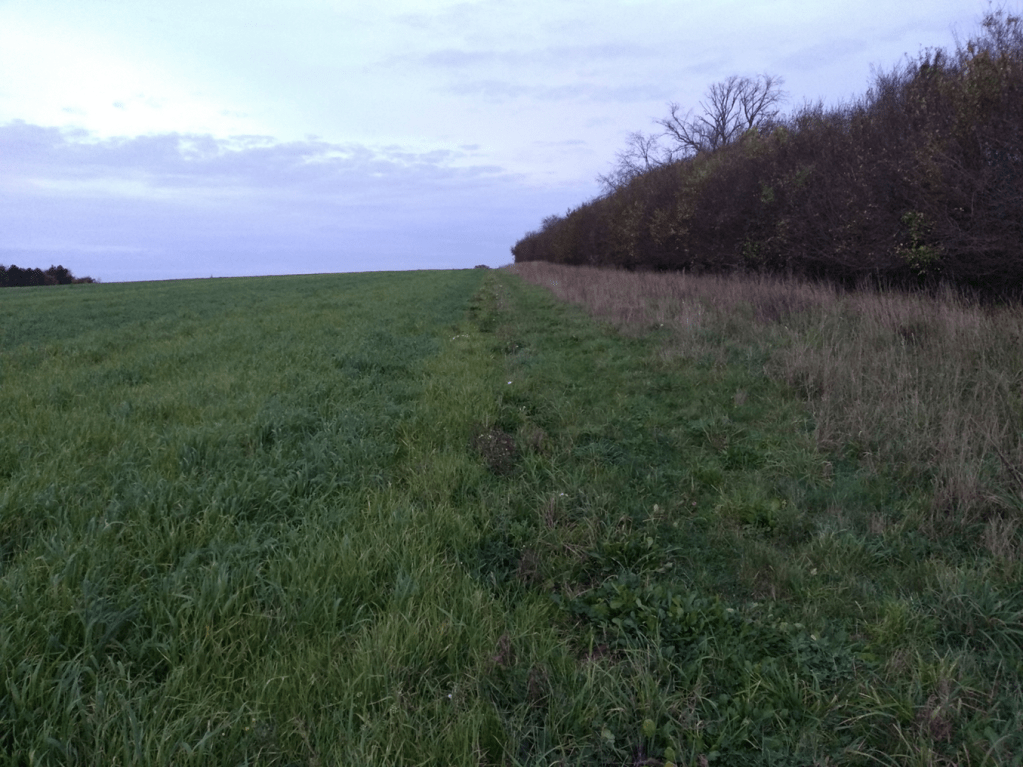
Two fields have been seeded with grass and wild flower mixes and will soon be topped to control the weed growth.
The cattle have now vacated the river meadows and it really feels as though winter is around the corner.
Lastly the bat which thinks the privy towel rail is a good place to spend the winter. Maybe he enjoyed the insects in that sunflower field too.

 Wensum Farmers