
Whitwell Common is a small remnant of habitat that was once typical of the Wensum Valley and lies between Reepham and Sparham. Covering approx. 20ha, it was designated a SSSI in 1954 because of its increasingly rare plant communities. They are fed by springs which arise through chalk- rich clay that is overlaid with alluvial peat soils. As well as open fen and reed bed it includes both dry and wet woodland, as well as 3 ponds, so provides a diverse range of habitats and therefore species.
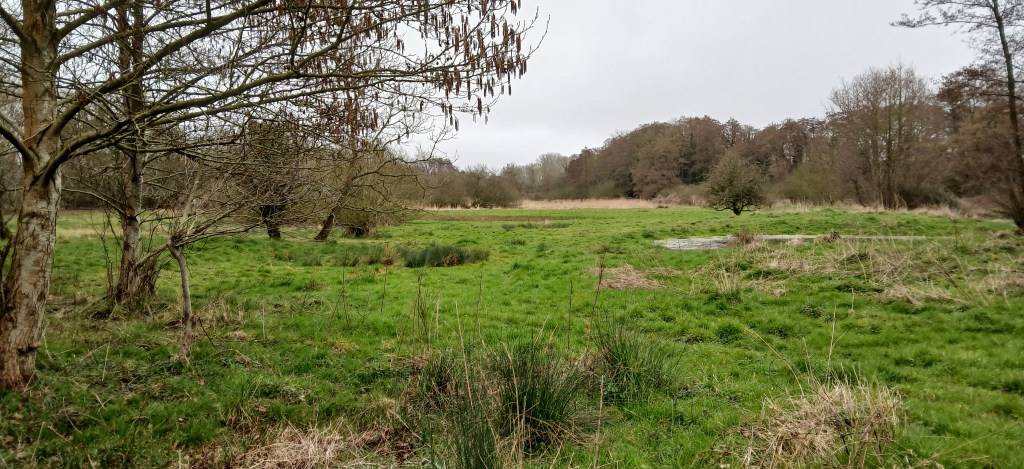
Our role as trustees is to protect and manage the common for the benefit of the plant and animal life it supports, as well as maintaining access for local residents.
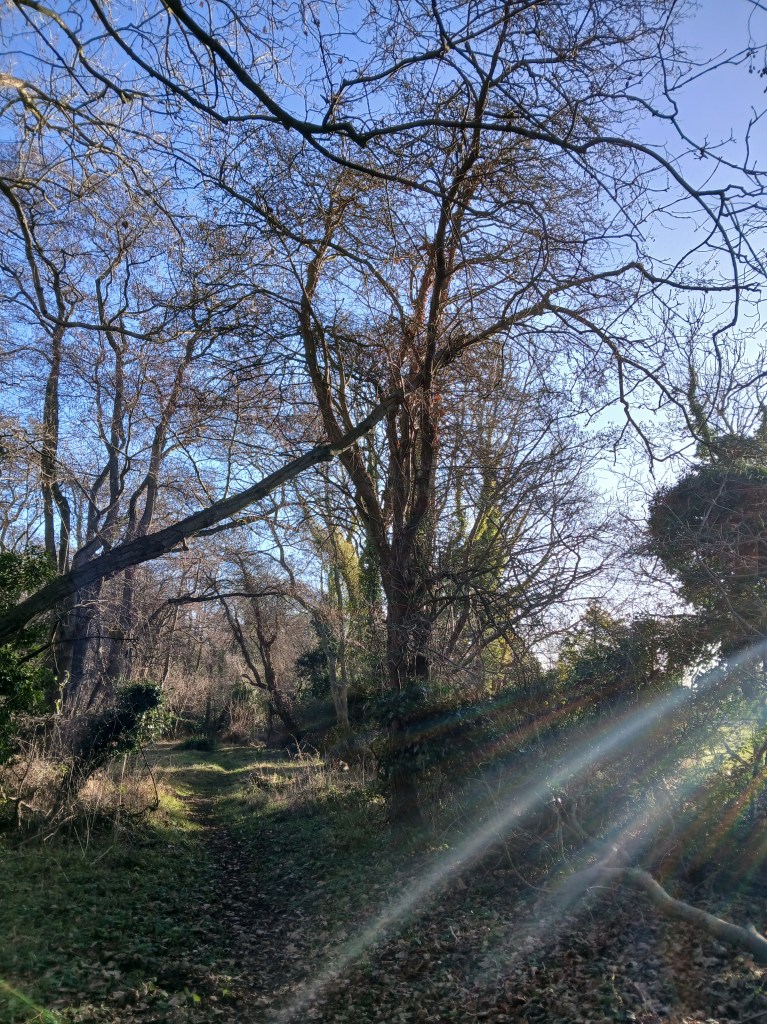
We carry out a range of management tasks throughout the year. Despite the seemingly constant rain of January and February this year, we were able to find a few dry spells to assess and fell a number of trees which were hazardous to visitors walking the path through the aldercarr. Ash dieback, combined with strong winds and waterlogged ground resulted in several trees leaning dangerously over the path or being “hung up” in surrounding branches.
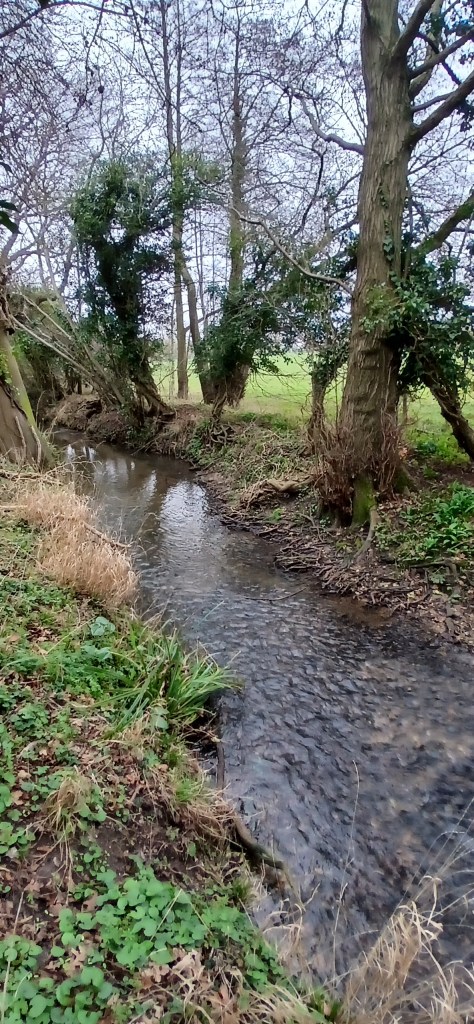
This belt of mostly alder, with some ash and oak, runs alongside a chalk stream on the boundary of the common. The stream originates in the Sparham area, flows down into the River Aisne (or Eyne) and then into the Wensum at Lenwade.
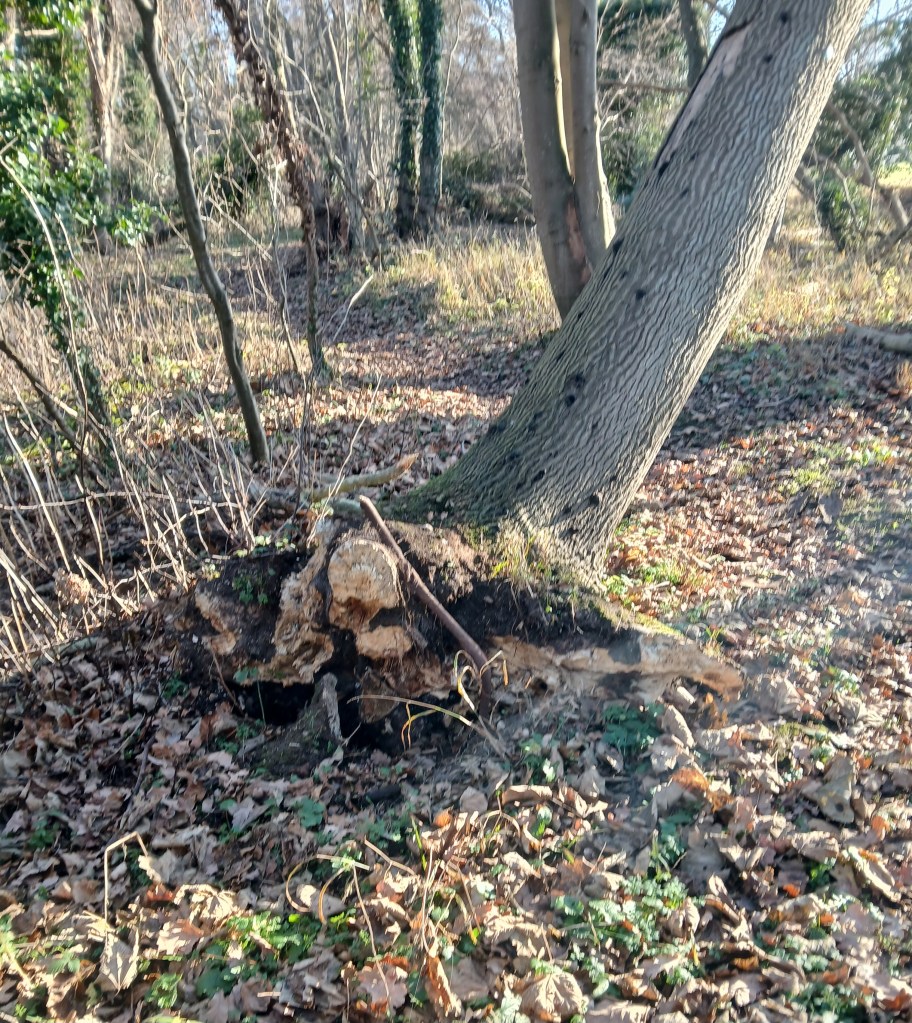
If a woodland is to be rich in species diversity it is recommended that it contains approximately 40% dead wood, with a good proportion of it standing and left to rot. Not only do several bird species use it for nesting but many invertebrates, including the now increasingly rare stag beetle make it their home. It also provides perfect habitat for a range of fungal species including King Alfred’s cakes which often inhabits dead or dying ash trees. A large proportion of this wood is therefore left unmanaged; only the trees posing a risk to the public are felled when necessary.
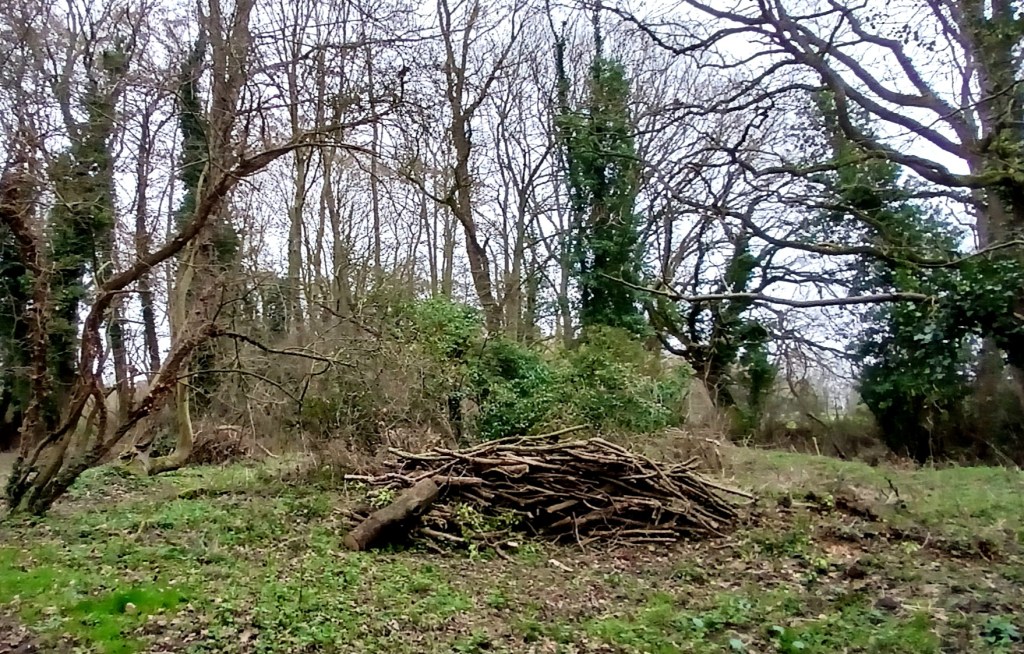
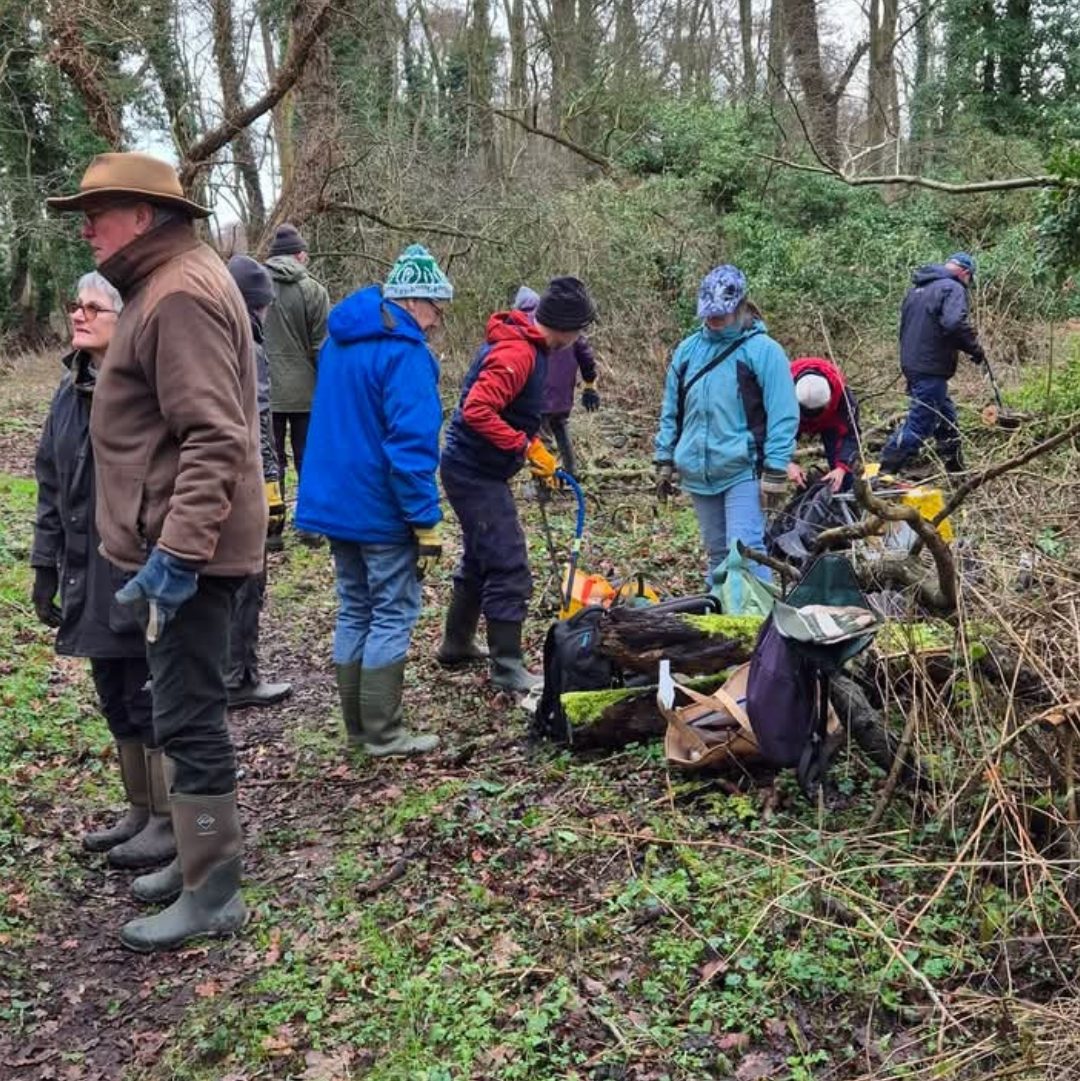
We were very lucky to have the Mid Norfolk Conservation Volunteers offer a morning of their time to help move the cut logs and brash into habitat piles. These will benefit birds, small mammals, invertebrates and amphibians, and in the humid conditions will very quickly get covered in mosses and bryophytes . The MNCV are an industrious and friendly group and soon had the path cleared. A coffee break provided a well deserved chance to sit down and listen to the woodland birds which, on this amazingly dry and warm morning, were entertaining everyone with their beautiful singing. It really felt as though Spring was on its way!
Lin Garland – Trustee
 Wensum Farmers