A collaborative visit to explore nature-based solutions for water quality and biodiversity.
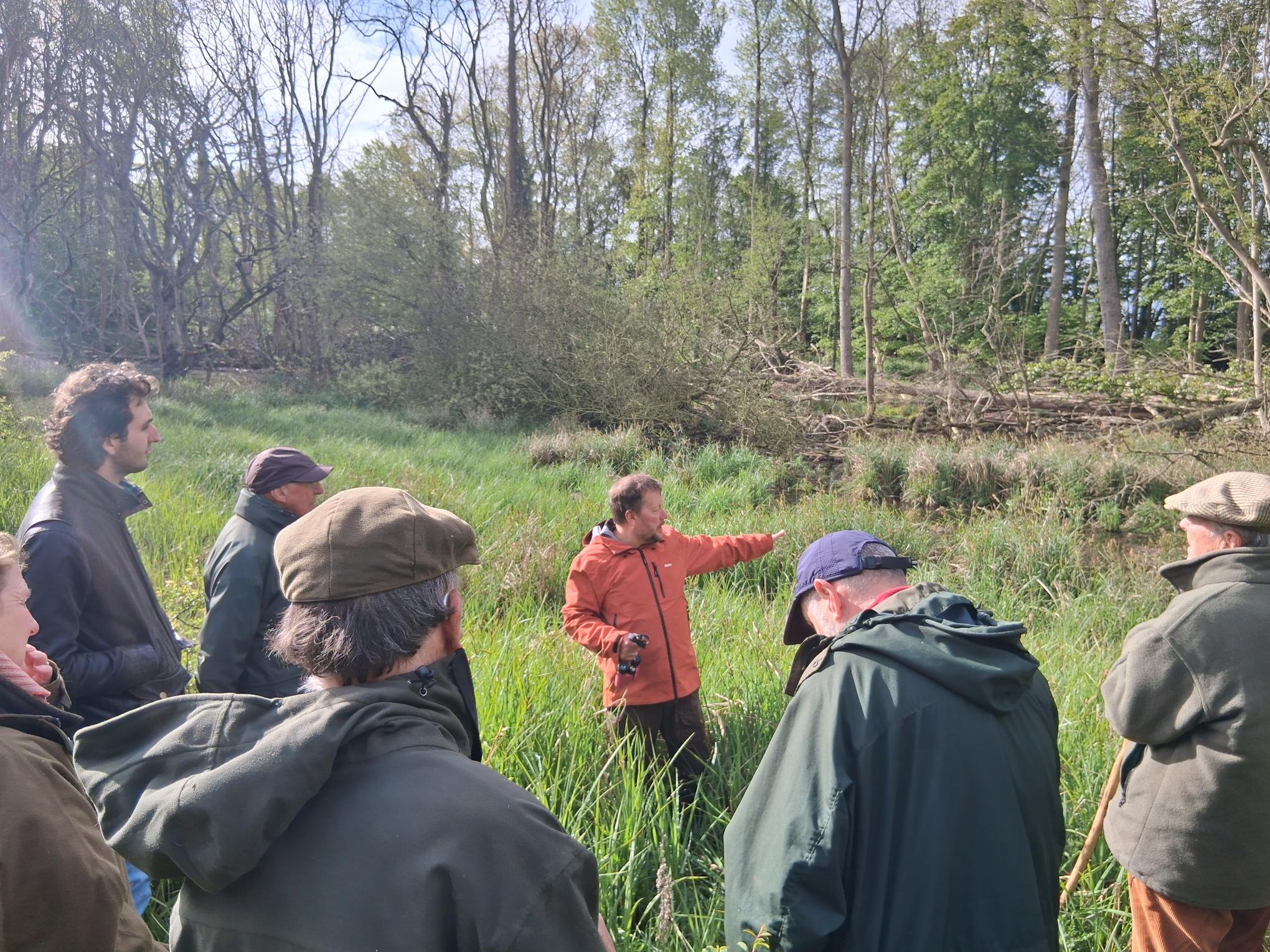
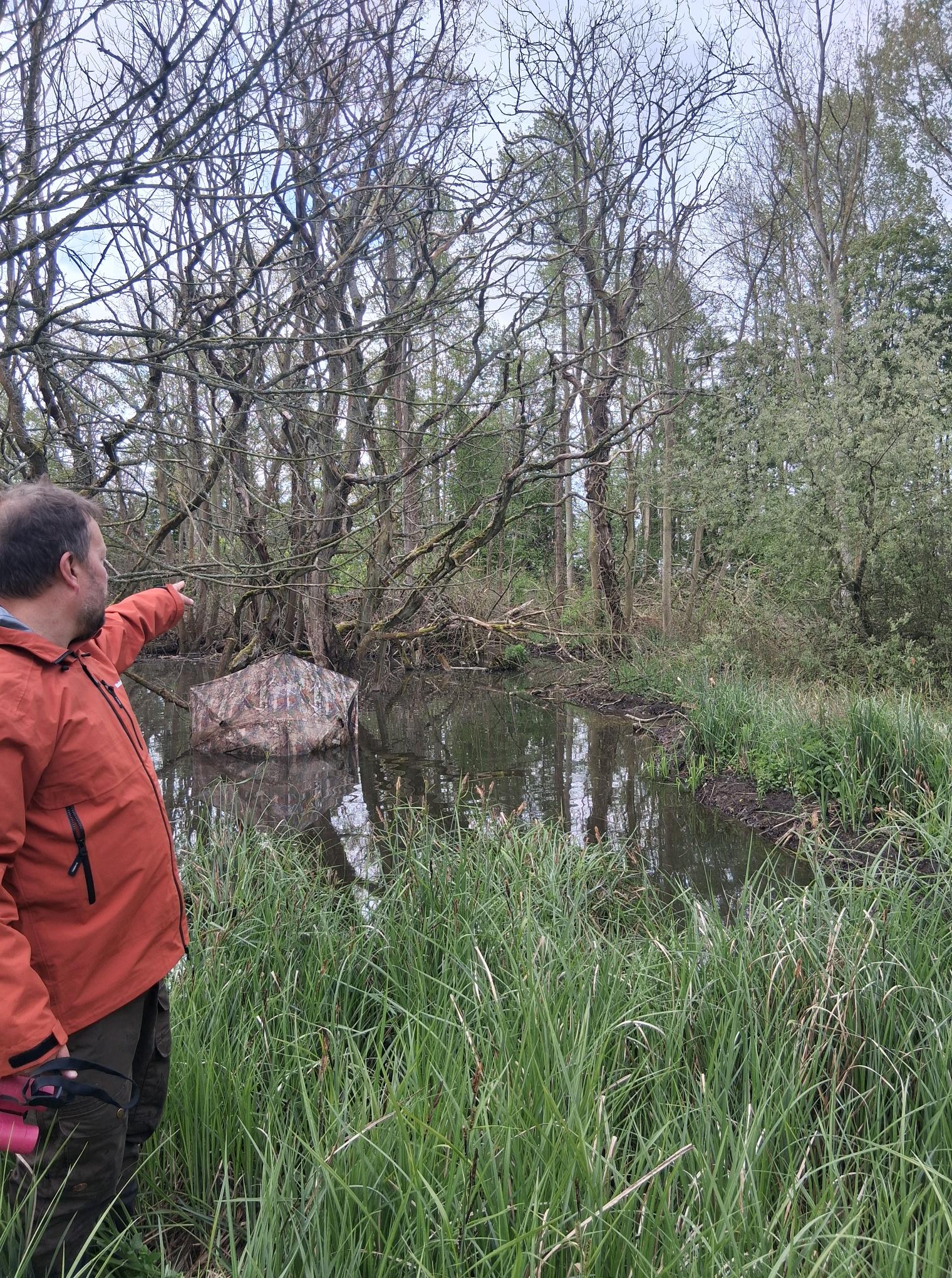
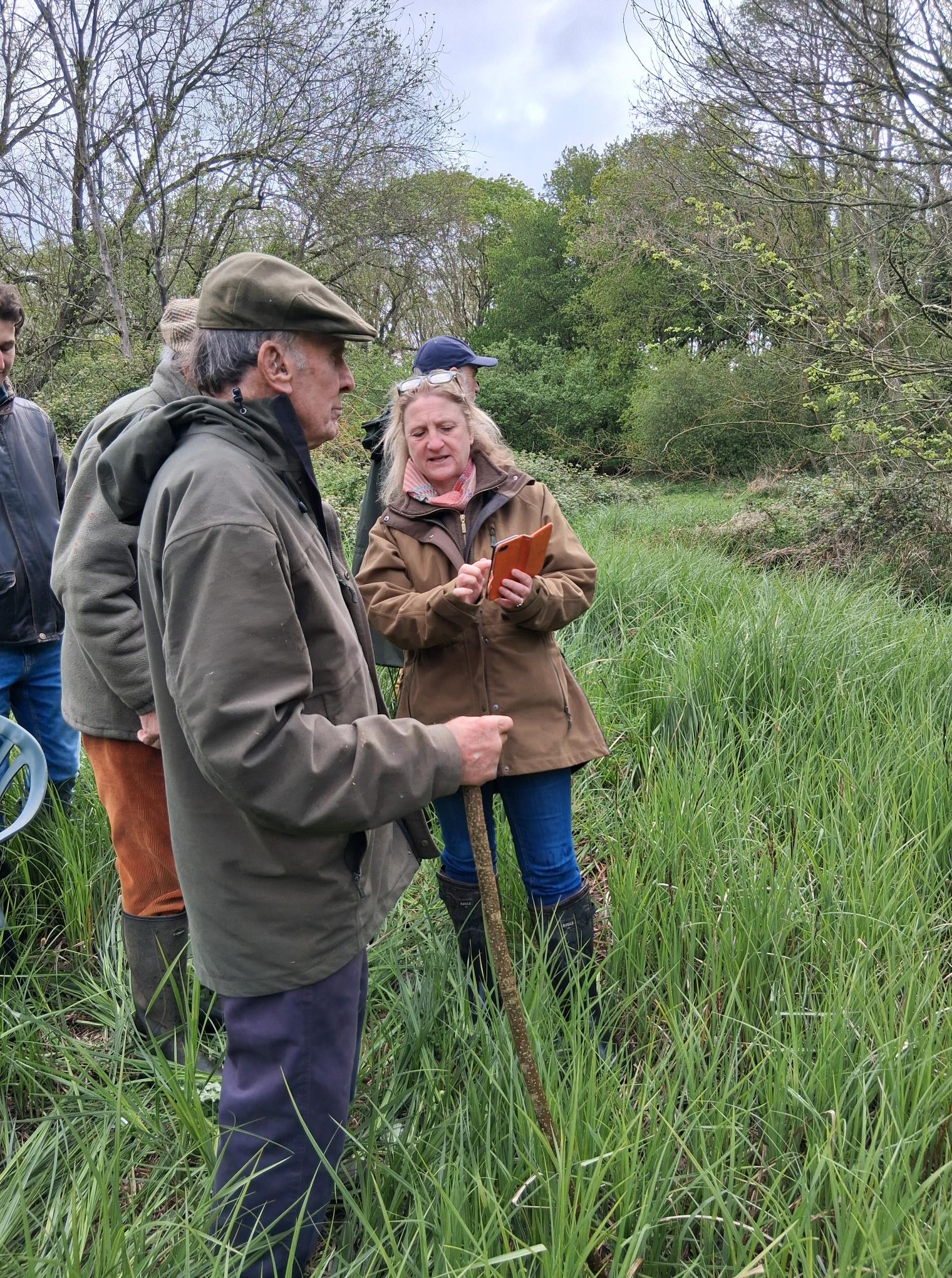
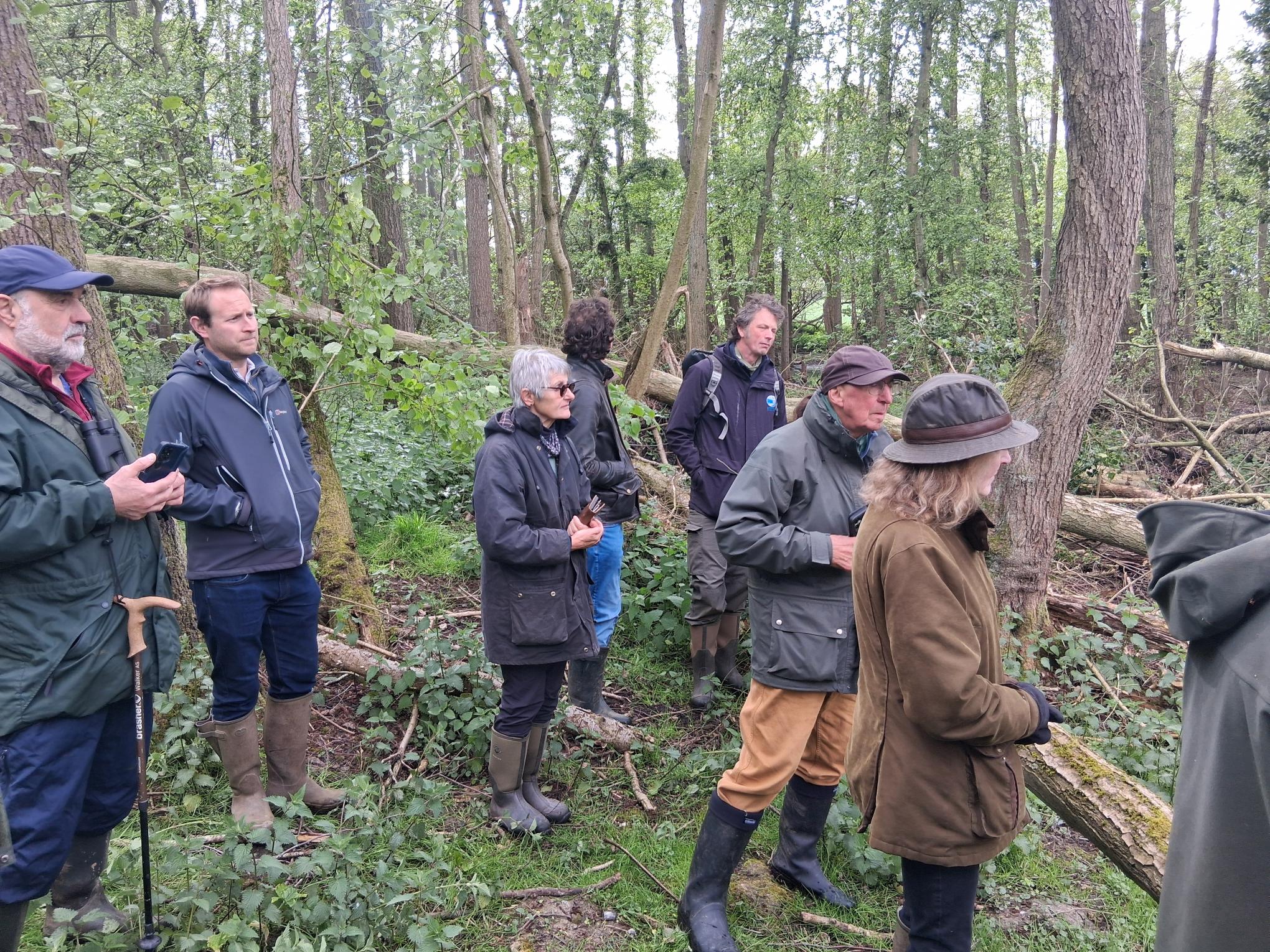
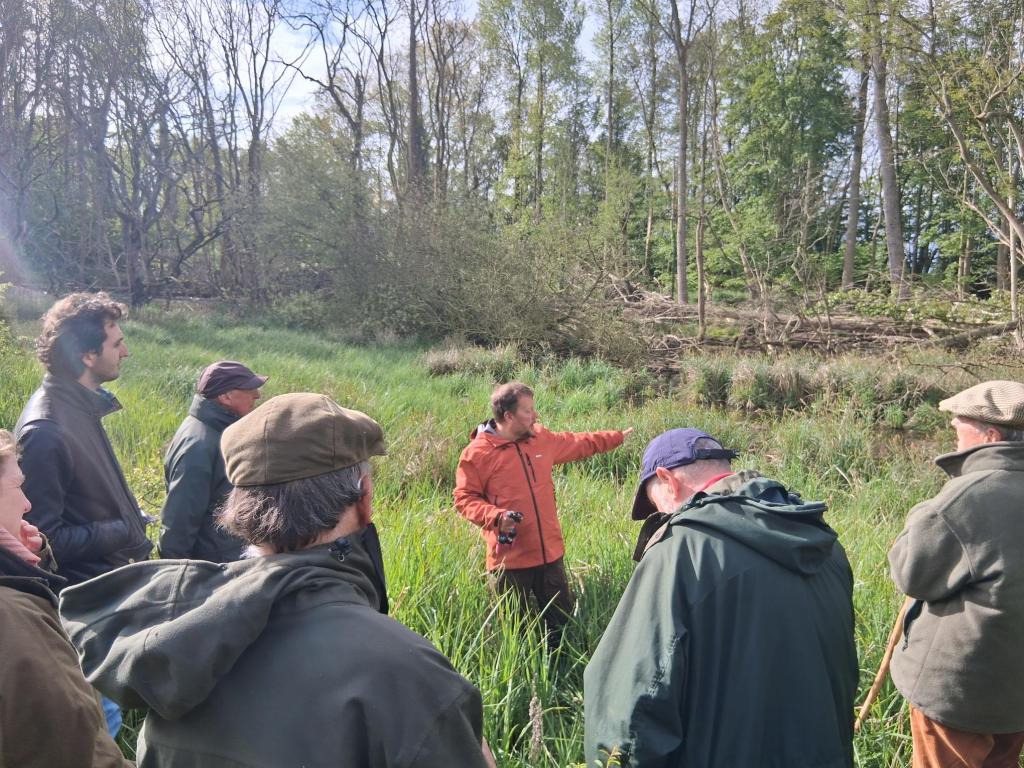
Yesterday, members of the Wensum Farmers Group had the opportunity to visit the Norfolk Rivers Trust’s beaver enclosure in North Norfolk. Guided by the Trust’s team, we gained valuable insights into the important work being carried out with beavers and the tangible benefits they can deliver in a carefully managed setting.
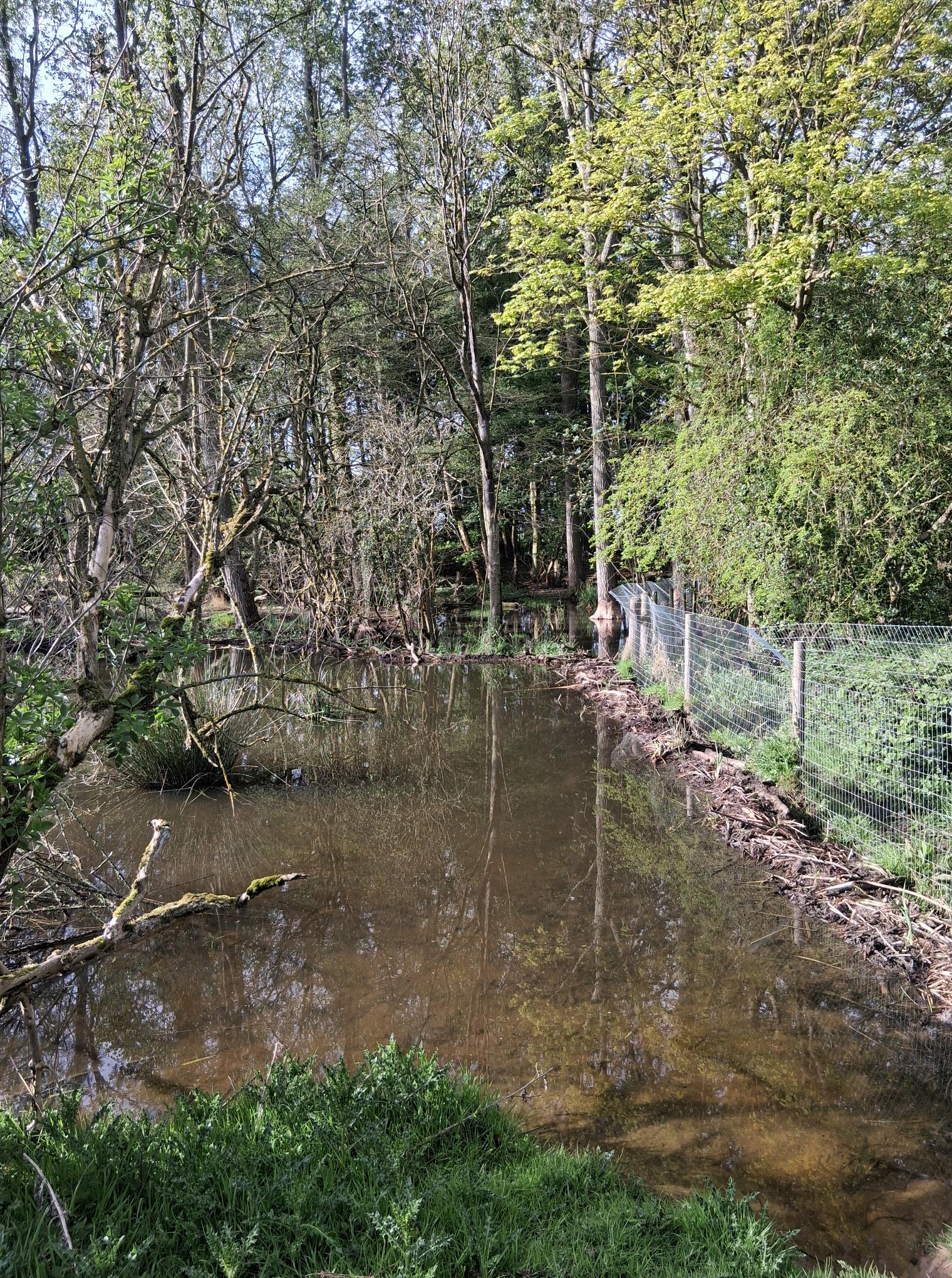
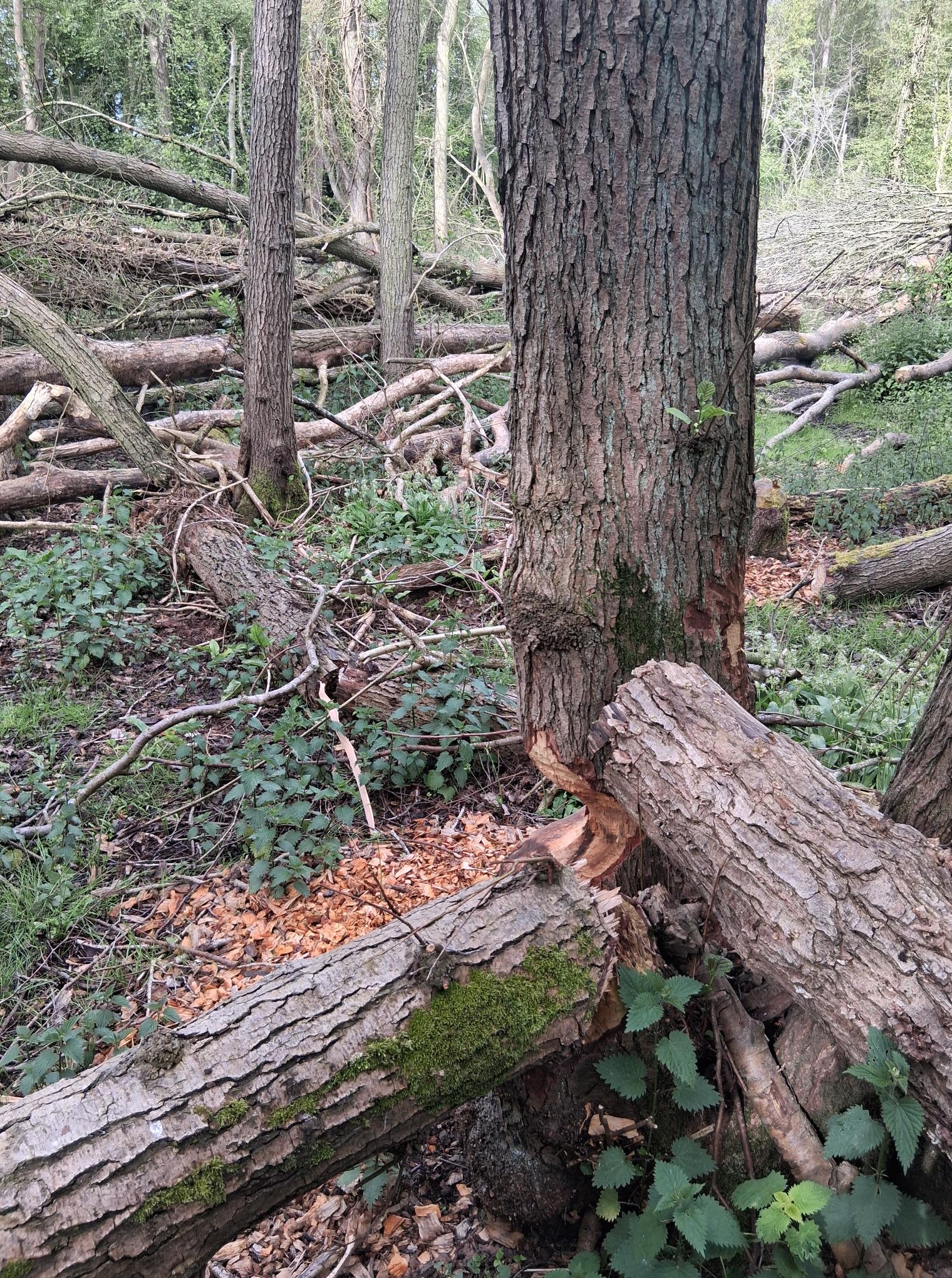
Beavers are remarkable ecosystem engineers. Through their natural behaviours — damming, pond creation, and tree felling — they help slow water flow, trap sediment, filter pollutants, and create diverse wetland habitats. These processes contribute to cleaner water downstream and support a wider range of wildlife, from invertebrates to birds and beyond.
The visit allowed our group to see this activity up close: the dams, the expanded wetland areas, and the signs of increased biodiversity. For many of us, it was a practical demonstration of how beavers can play a role in river restoration and natural flood management.
As farmers and land managers in the Upper Wensum catchment, our group remains pragmatic and considered in our approach. While there are understandable questions about the wider implications of beaver reintroduction across productive farmland, we were unanimous in recognising the clear benefits being delivered within this specific, enclosed North Norfolk site.
Events like this are central to how Wensum Farmers operates — bringing farmers together with conservation partners to learn, discuss, and evaluate real-world outcomes. Understanding these processes helps us all make more informed decisions about the future management of our landscapes, water quality, and biodiversity.
We extend our sincere thanks to the Norfolk Rivers Trust for hosting the visit and sharing their expertise so openly. Collaboration of this kind strengthens both farming and conservation efforts across the catchment.
We look forward to continuing these important conversations as we work together to enhance the River Wensum for future generations.