
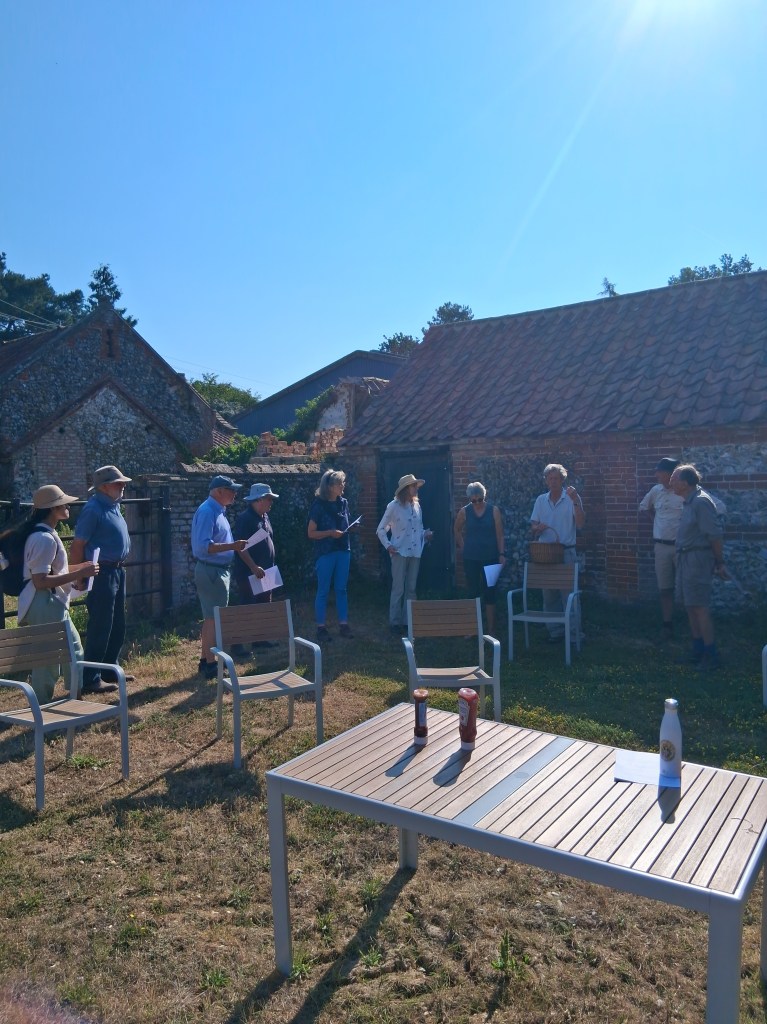
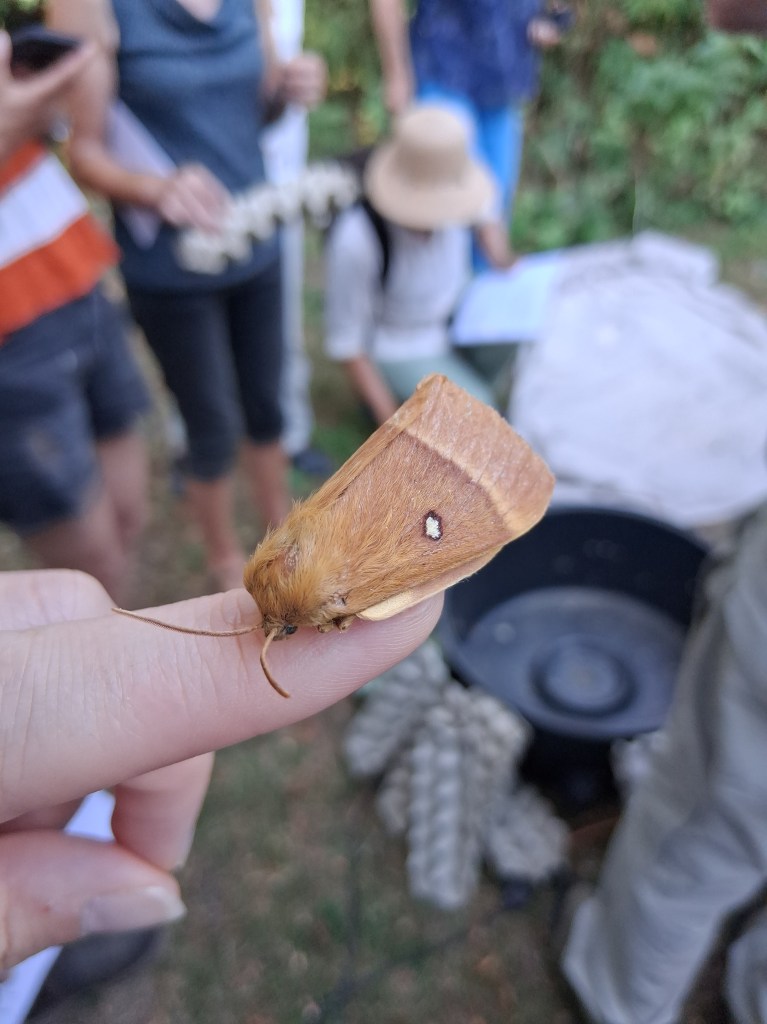
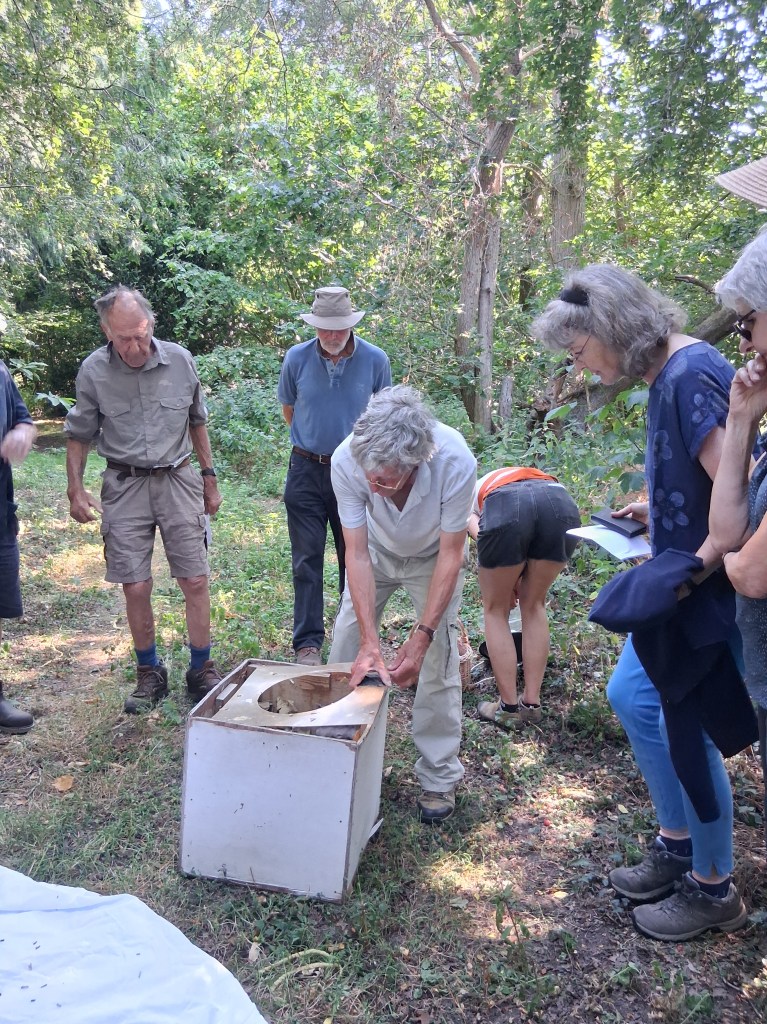
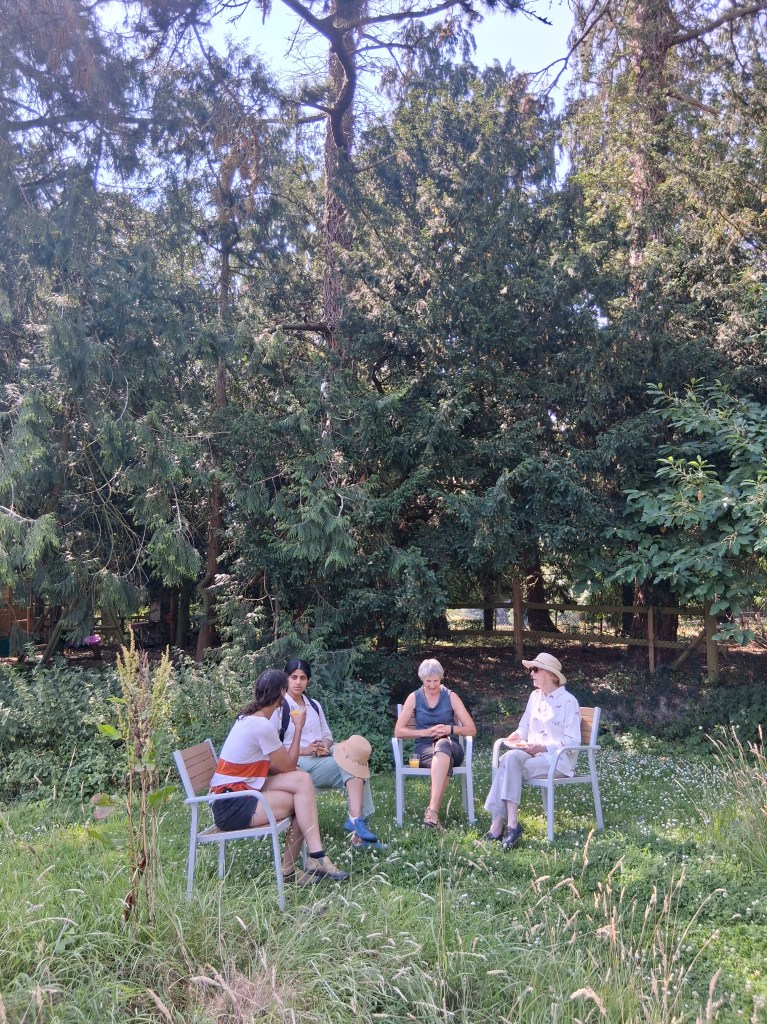
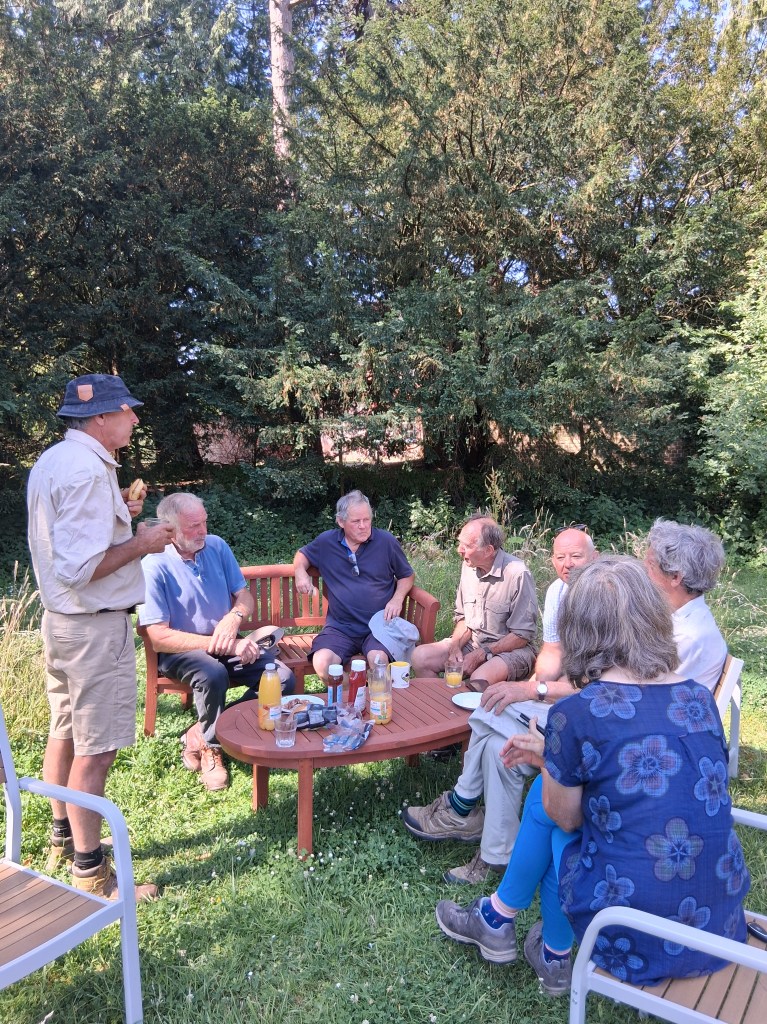
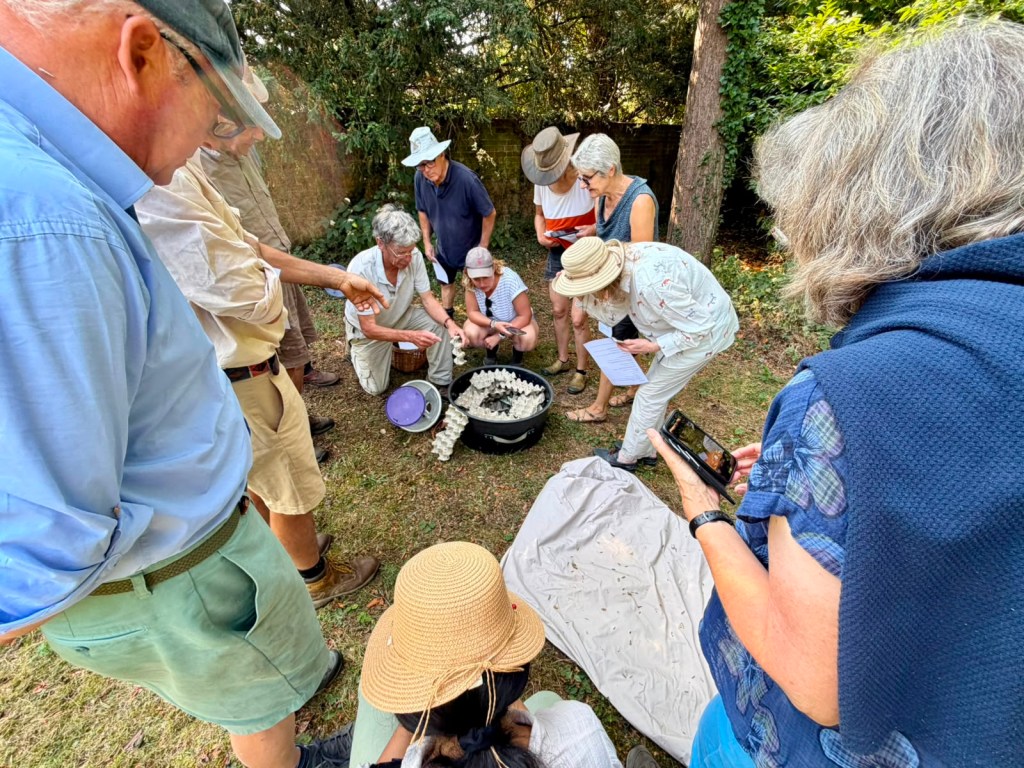
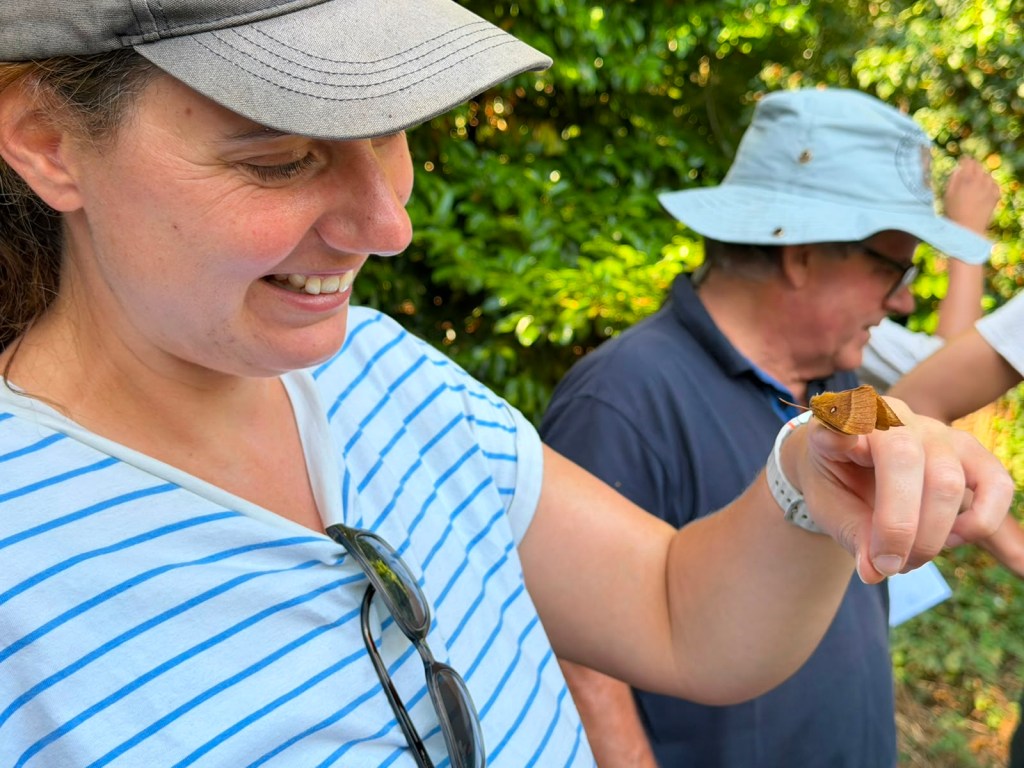
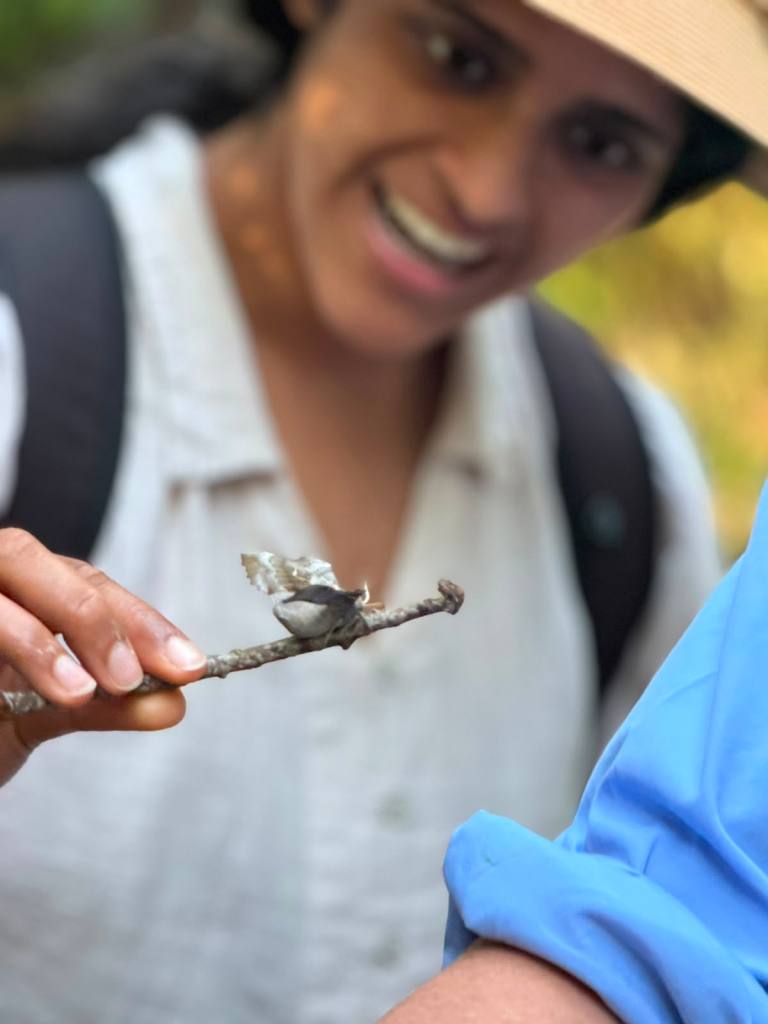
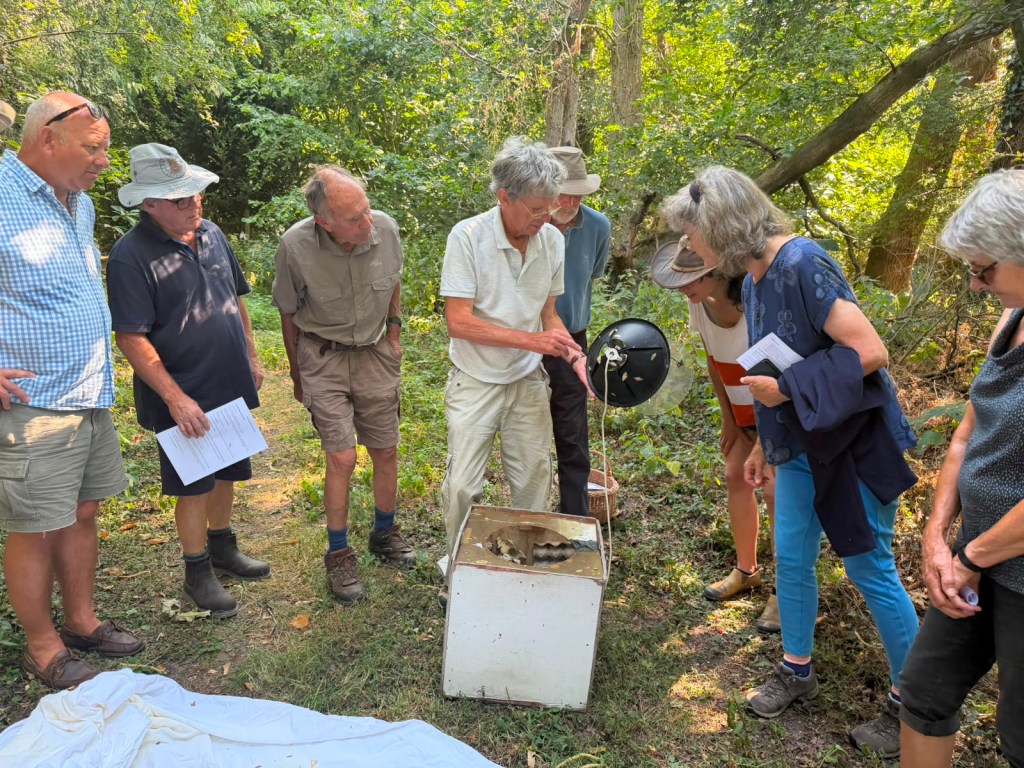
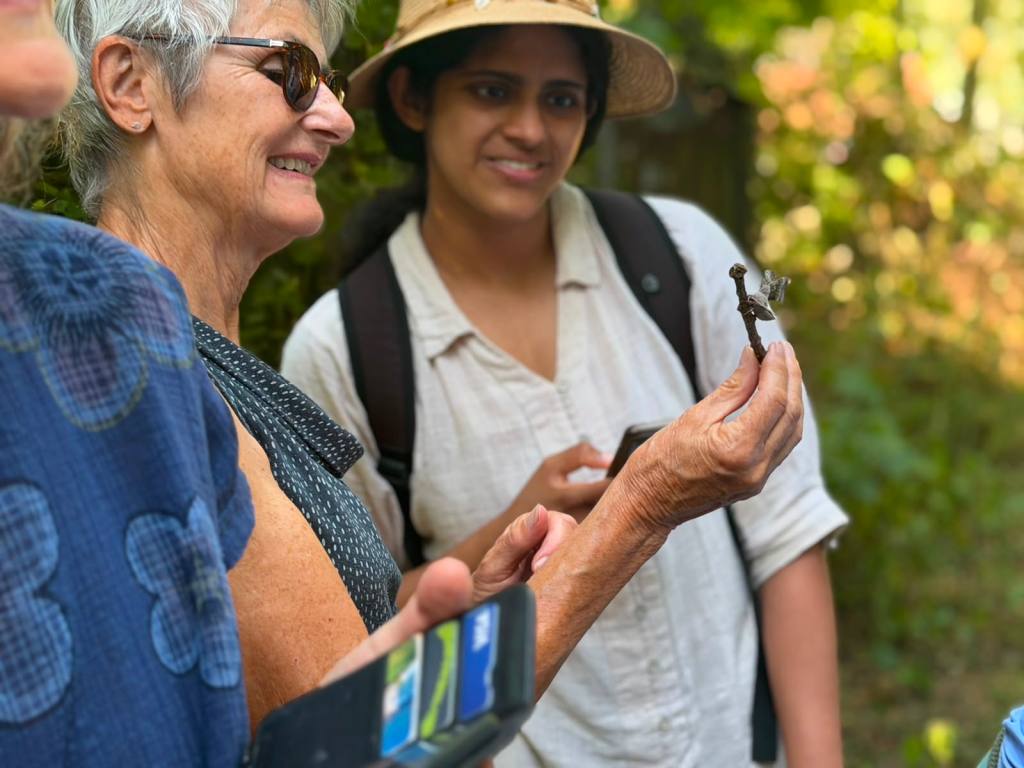
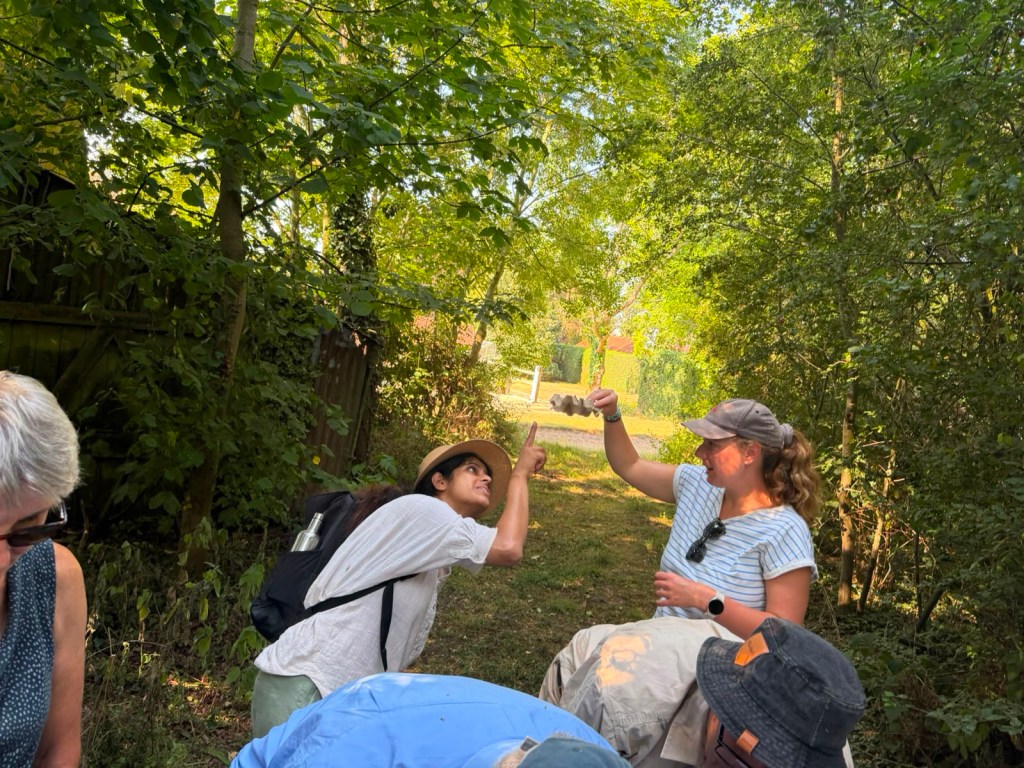
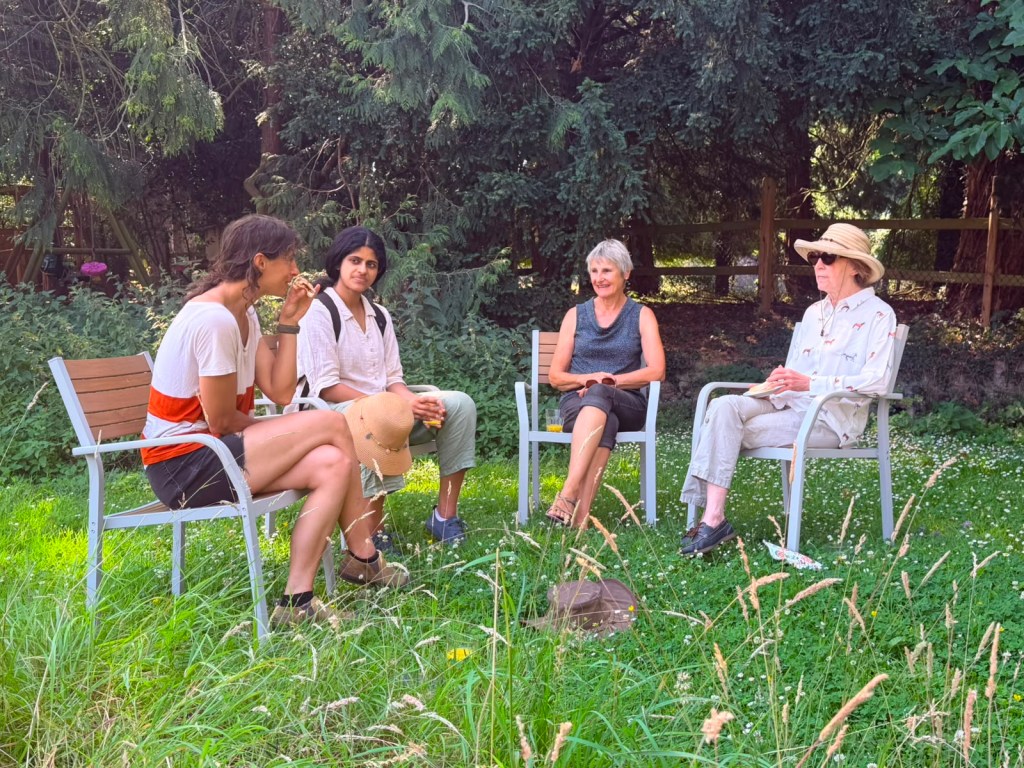
Last week, Wensum Farmers enjoyed a great moth morning at Sparham Hall Farm, hosted and organised by our friends there. The session finished perfectly with bacon rolls in the sunshine.
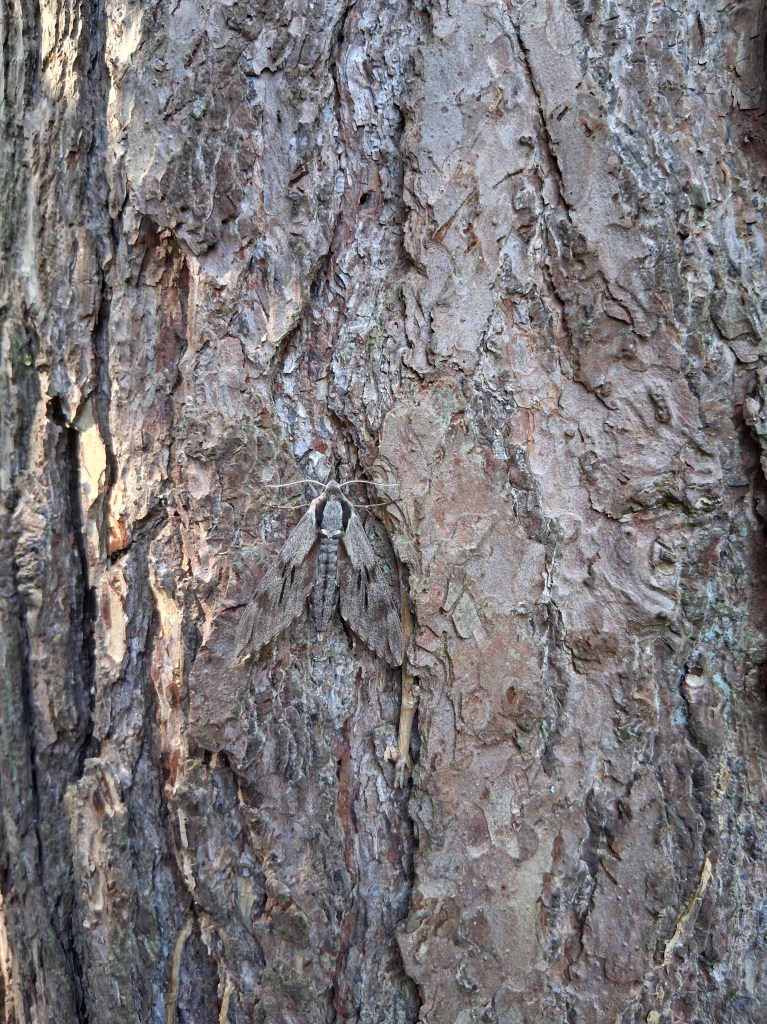
Moths and butterflies are both Lepidoptera – scale-covered wings. While butterflies fly by day with clubbed antennae and wings held over their backs, many moths are active at night. That said, over 150 UK moths fly during the day, including Cinnabar, Silver Y and Burnet moths.
Why moths matter
They are excellent pollinators and a key part of the food chain for bats and birds. They look amazing too, though a few species can be pests like the Oak Processionary or Box Tree moth.
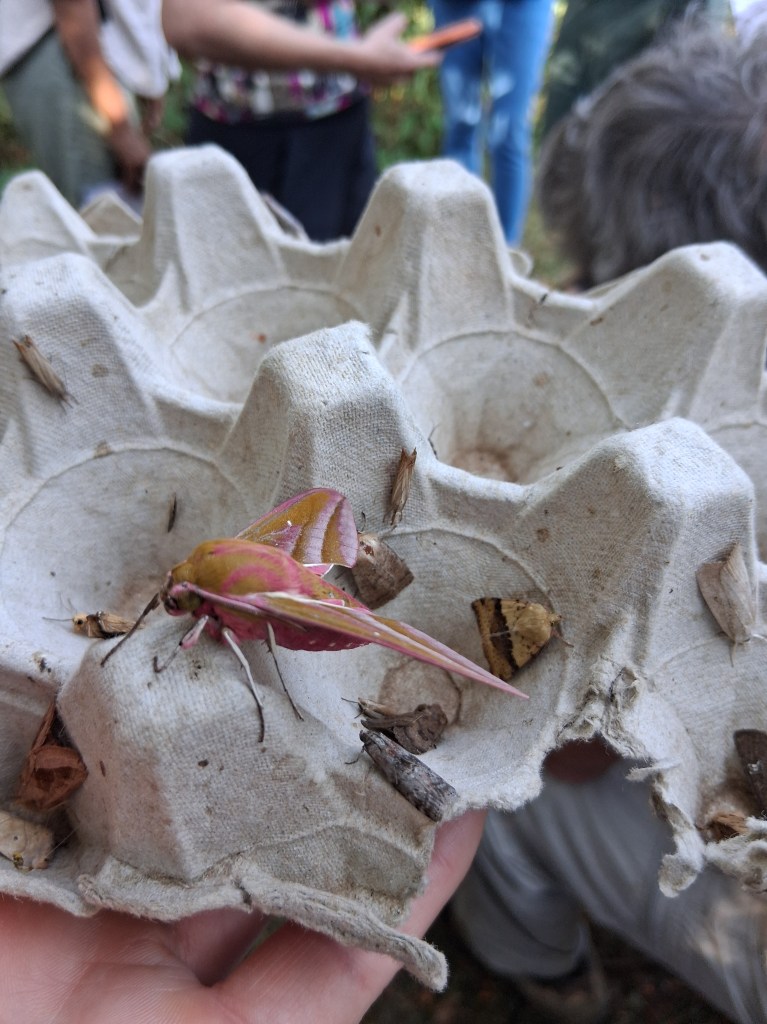
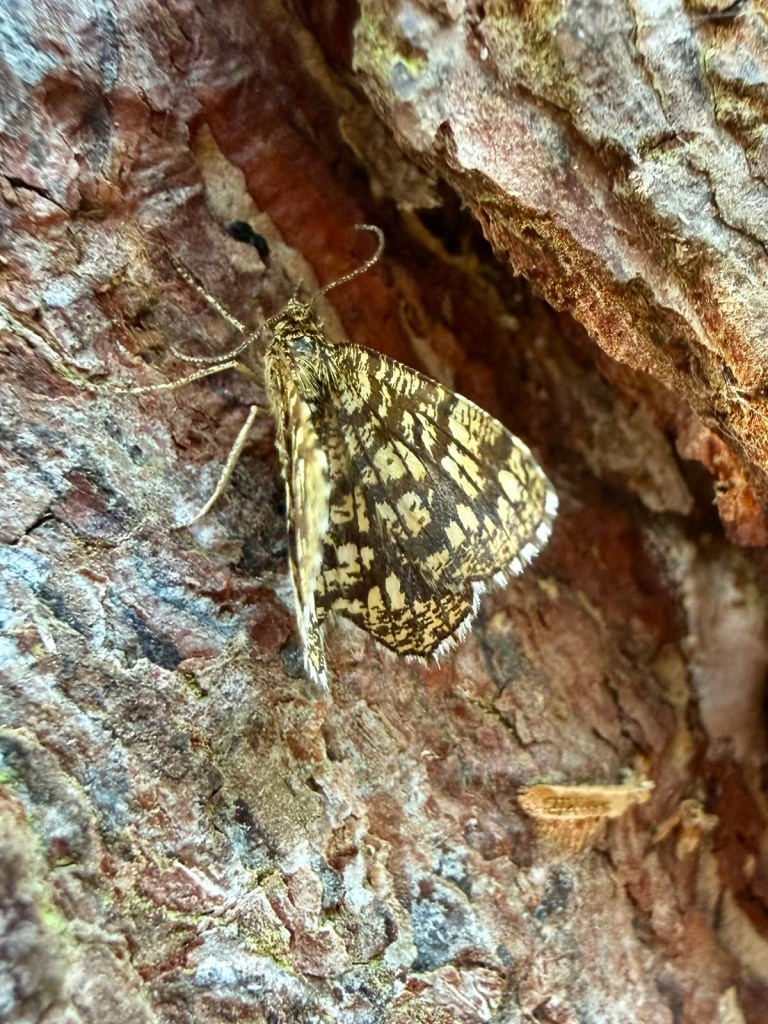
Their names are brilliant: Mother Shipton, Beautiful Snout, Old Lady, Drinker, Miller, Toadflax Pug, and groups like Waves, Pugs, Carpets and Footman.
As we heard clearly: if you haven’t got the foodplant, you haven’t got the moth. Sparham’s mix of grassland, river valley and woodland supports lots of species, with Oak, Willow and Birch being particularly valuable, along with grasses and other trees and plants.
The lifecycle is adult – egg – larva – pupa, so keeping those foodplants healthy is essential.
Impressive numbers
There are around 130,000 moth species worldwide, 2,500 in the UK, 1,910 in Norfolk and an impressive 905 recorded at Sparham Hall Farm. For comparison, the UK has just 60 butterflies.
Moths are great migrants, and with climate change we’re seeing more southern species arriving and some of ours moving north. They can even fly in winter – though those December swarms are usually males only.
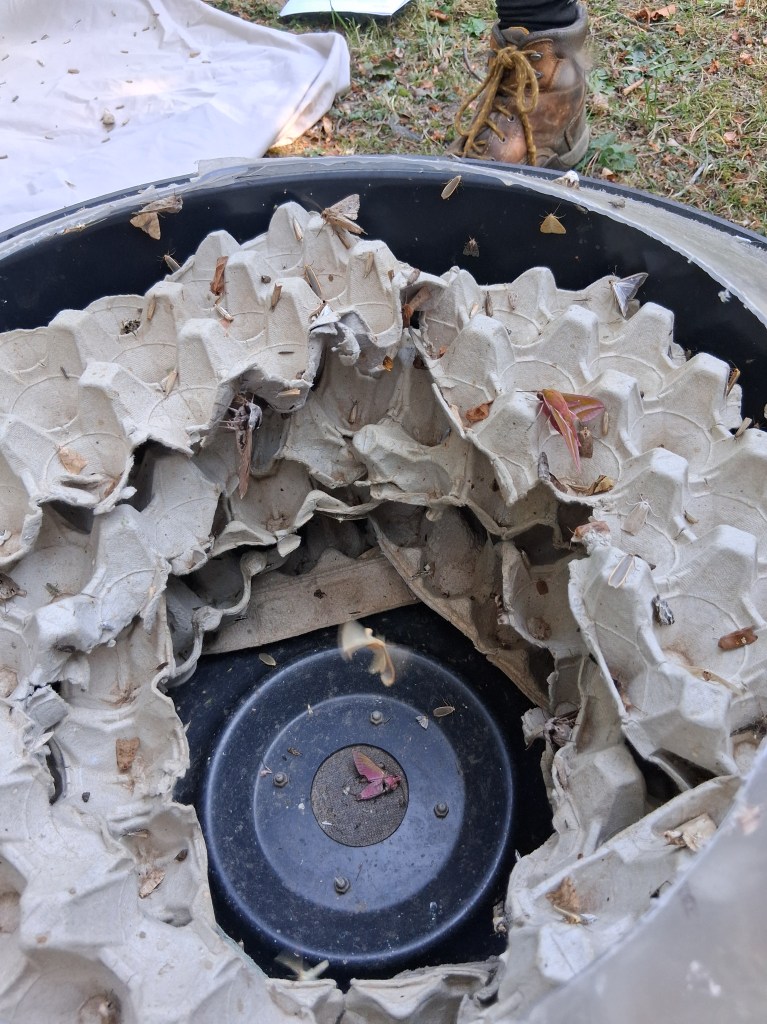
Moth traps also pull in all sorts of other wildlife: butterflies, dragonflies, beetles, lacewings and more.
A big thank you to Sparham Hall Farm for hosting. These events show how good farmland management supports wonderful biodiversity across the Wensum Valley. If you’d like to get involved in future activities, just get in touch!
If you want to read more about the morning and learn about the species of moths we found, you can find a more in-depth review of the event here: An Introduction to Moths
Interested in pursuing this further?
ALS – Anglian Lepidopterist Supplies
Norfolk Moths – The macro and micro moths of Norfolk.

 Wensum Farmers