Farmers are known for watching the weather closely – and with good reason. It shapes almost everything we do, yet remains completely beyond our control. This year, records seem to be tumbling every month, and rarely for the better.
The mental strain caused by the current climate – both the weather itself and the wider pressures on farming – should not be underestimated. On our family farm in the Wensum Valley, we are feeling that pressure intensely.
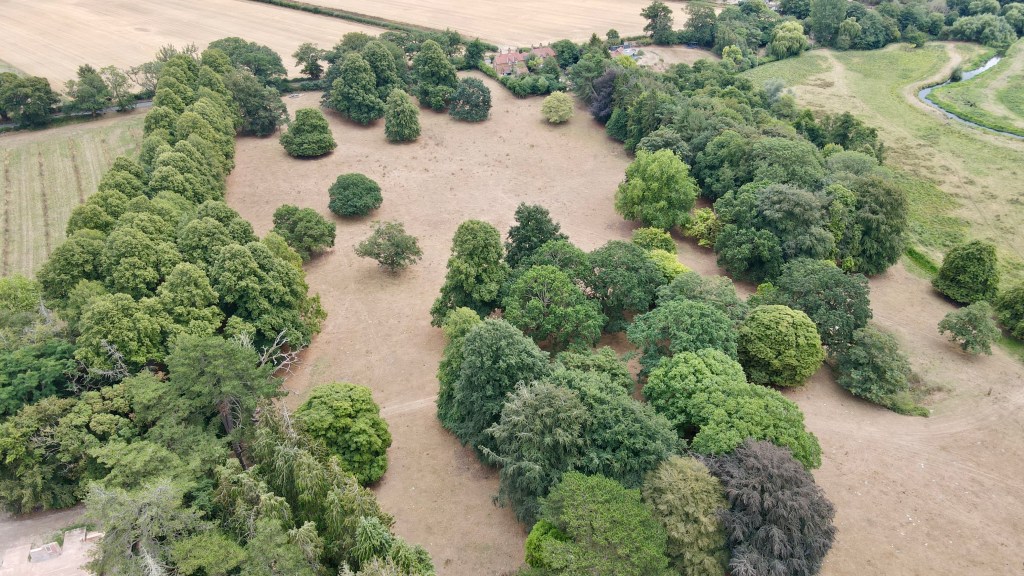
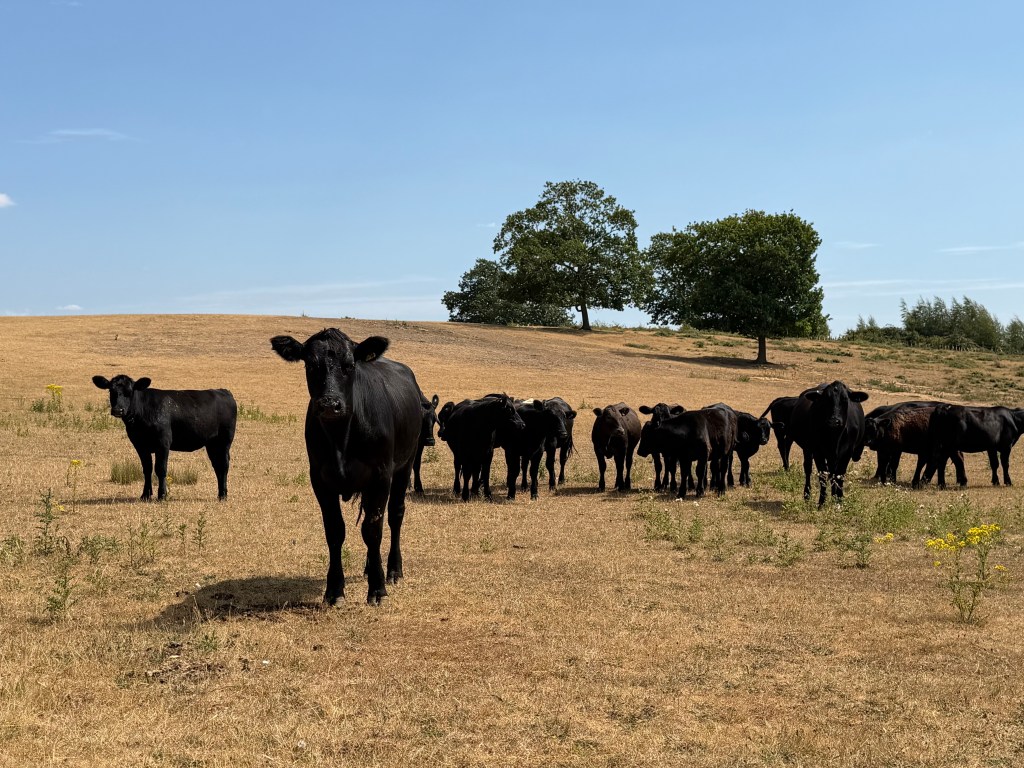
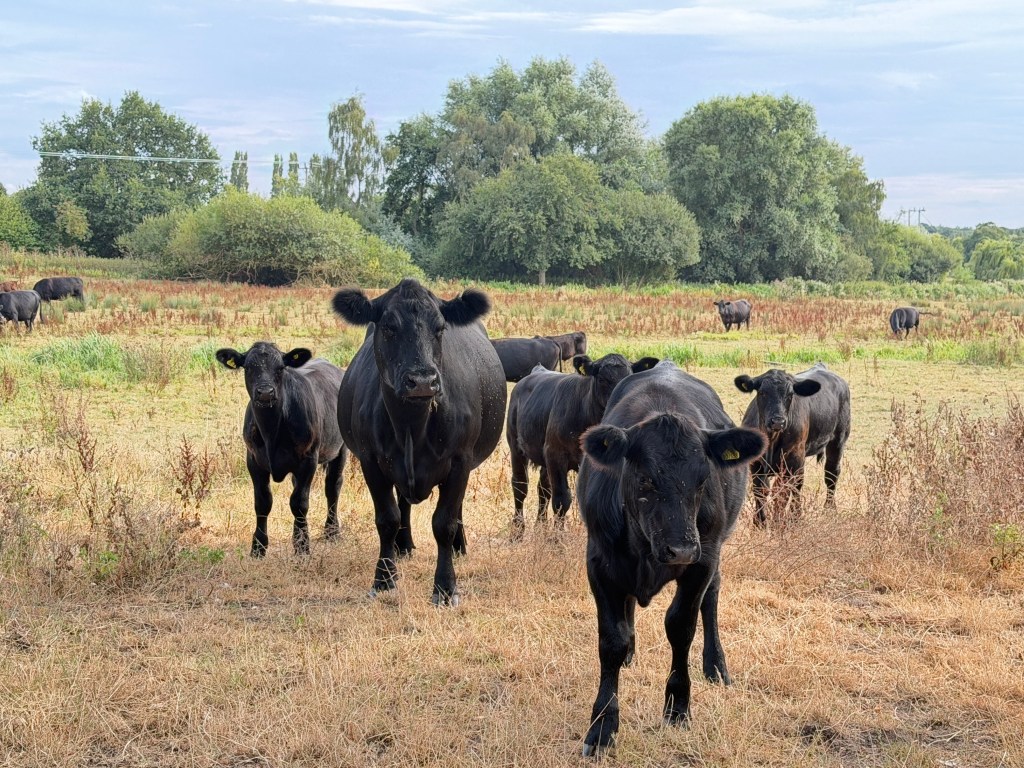
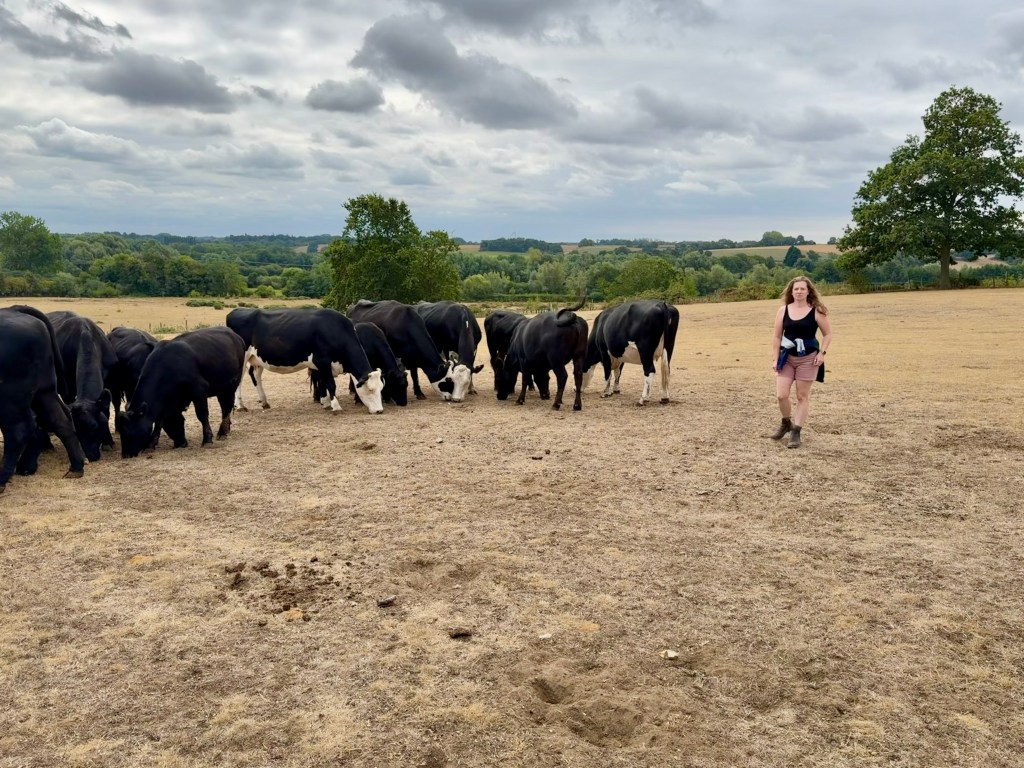
Our herd of around 70 cattle, many in calf or with calves at foot, has little grass left to graze. The pastures look more like the savannah than typical Norfolk fields. The river is so low that it no longer acts as a natural boundary, making it harder to keep the animals contained. They are restless, constantly on the move – searching for what little forage remains or trying to escape the heat and flies.
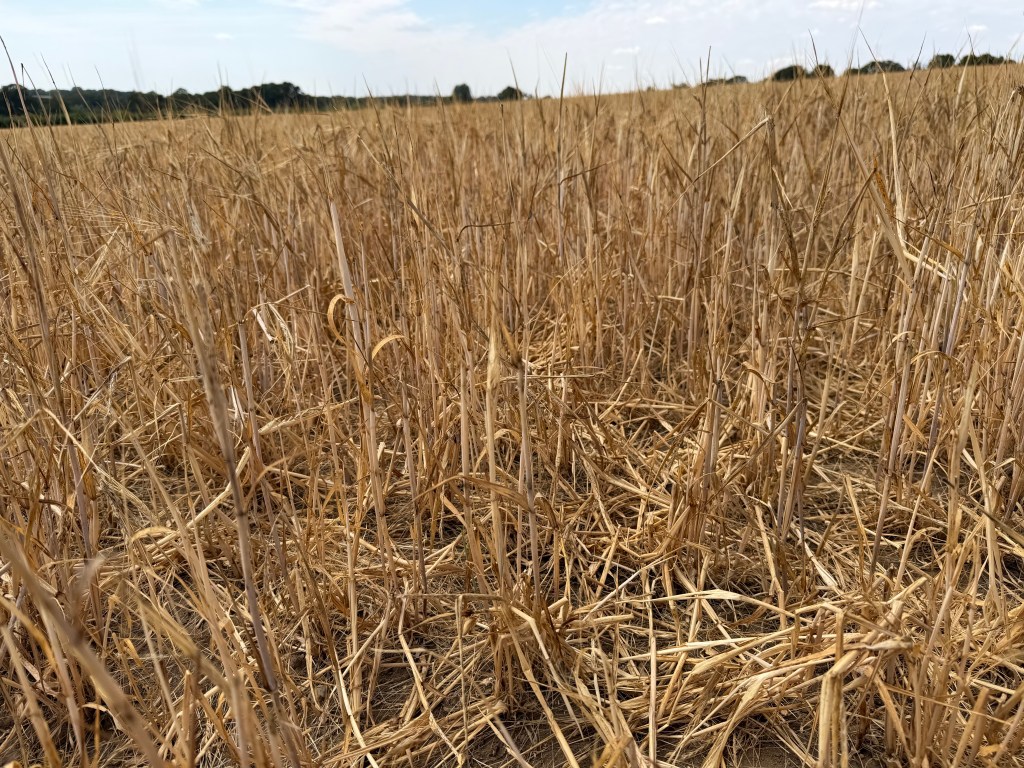
Harvest has been extremely poor. Yields were very low and straw was scarce. Winter rations for the cattle will be tight, made worse because we are already having to supplement their feed.
Like many farms, we are searching hard for ways to become more resilient. In the short term, we have put up electric fencing along the river and are moving the cattle more frequently – every few days instead of every few weeks. We have baled rye straw (which the livestock are not keen on) simply because any straw is better than none.
We have adjusted next year’s cropping plan as much as possible. Spring crops are being reduced, and we are unlikely to grow spring barley again – not long ago we produced around 700 tonnes of it annually. Instead we are increasing drought-tolerant options such as rye and lucerne. We plan a catch crop for winter forage, though we cannot sow it until rain arrives. We also hope to re-enter the Sustainable Farming Incentive (SFI) scheme to help reduce risk wherever we can.
Looking further ahead, we are considering alternative land uses such as woodland or orchards, and examining Biodiversity Net Gain (BNG) opportunities. Water storage is a priority – including the possibility of a reservoir – but at a cost exceeding £500,000 it currently feels out of reach. We continue to explore different crops such as soya, chickpeas and sunflowers, though all still need water.
As a family farm on marginal land, facing the climate we now have, a difficult question keeps arising: can we really afford to keep growing food? With losses rather than profits currently in the projections, it is a conversation we are having daily.
One thing remains certain. However exhausting and dispiriting farming feels at the moment, the most resilient element on any farm is still the farmer – still watching the weather, still refusing to be beaten.